Taiwan Livestock Research Institute Cuts Dairy Cows' Greenhouse Gas Emissions by 4.5% Through Adjusted Feed Formula
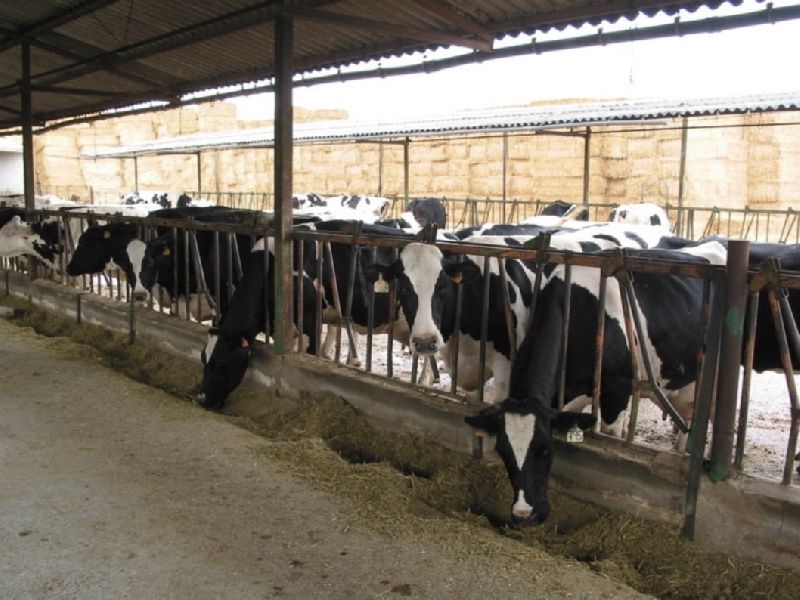
The Taiwan Livestock Research Institute (TLRI) has successfully reduced greenhouse gas (GHG) emissions from dairy cows by adjusting their feed formula without affecting milk production, according to a statement released on September 12. The institute reported a 4.5% drop in the annual carbon dioxide equivalent produced by lactating dairy cows, from 6,259 kilograms to 5,975 kilograms per cow.

This reduction was achieved by adjusting the ratio of corn and soybean oil meal in the feed concentration while maintaining the proportions of herbage and agricultural by-products. The protein content of the general feed was also reduced from 18% to 15%. Lower protein intake decreases the release of undigested nitrogen, reducing nitrous oxide emissions from fermented cattle dung, another significant GHG contributor.
In addition to environmental benefits, the institute noted improvements in the cows' health, as evidenced by lower blood urea nitrogen levels.
The revised feed formula also includes agricultural by-products such as brewer’s grains, pineapple skins, and lemon peels, promoting circular agriculture and further cutting methane emissions from cows' rumens, a major source of methane, the second-most significant GHG.
Earlier in 2024, Taiwan’s Ministry of Economic Affairs updated national feed standards to reduce carbon emissions from livestock, further enhancing efforts to mitigate the environmental impact of the industry.
Photo "A cowshed in Taiwan" by Taiwan Livestock Research Institute