Study Reveals Seasonal Nutrient Variation in Milk

New research reported by Agriland.ie has revealed that the nutritional profile of retail milk is subject to significant fluctuations based on production label categories—such as organic, pasture-fed, or conventional—and the calendar month. The findings suggest that consumer choices and nutritional intake are heavily influenced by seasonal feeding practices and farm management systems.
The study emphasizes the role of seasonality in shaping milk composition, particularly within grass-based production systems. During the spring and summer months, when dairy herds graze on fresh pasture, milk samples show increased levels of beneficial polyunsaturated fatty acids, including omega-3 fatty acids and conjugated linoleic acid (CLA). Additionally, these samples contain elevated amounts of fat-soluble antioxidants like beta-carotene and vitamin E.
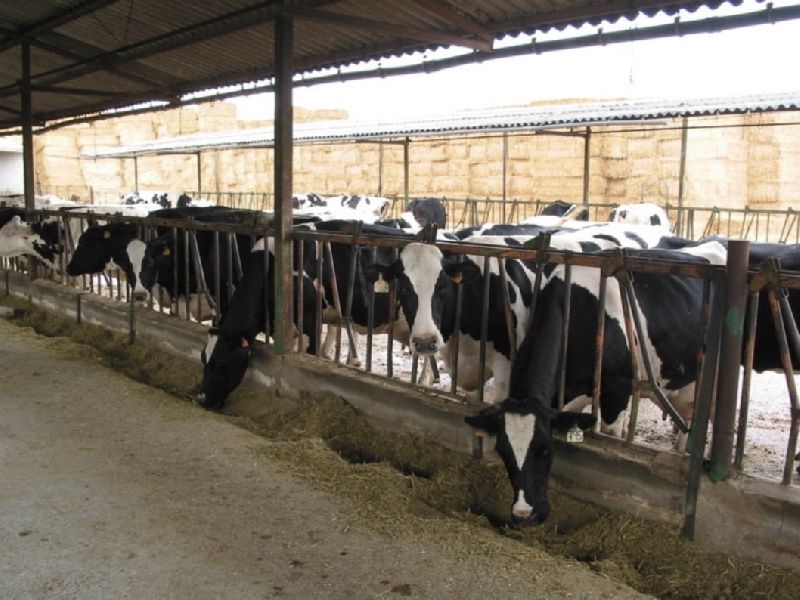
In contrast, the winter months see cows housed indoors and fed diets dominated by grass silage, maize silage, and compound concentrate feeds. During this period, the fatty acid composition shifts, and milk often contains higher concentrations of key micronutrients such as iodine and specific minerals, which are linked to mineral fortification in winter feed.
The research also indicates that label claims correlate with nutritional characteristics. Products with organic or certified pasture-fed labels consistently reflect the benefits of fresh forage diets, though these differences are most notable during peak grazing periods. When winter housing causes dietary similarities across organic and conventional systems, the nutritional differences between label types diminish.
These insights are valuable for dairy processors, nutritionists, and consumers. Understanding these temporal and management-driven variations assists the dairy industry in refining product processing, supporting accurate nutritional marketing claims, and guiding health-conscious consumers in making informed choices about fluid milk throughout the year.