Studies compare Jersey and Holstein performance and farmer well-being
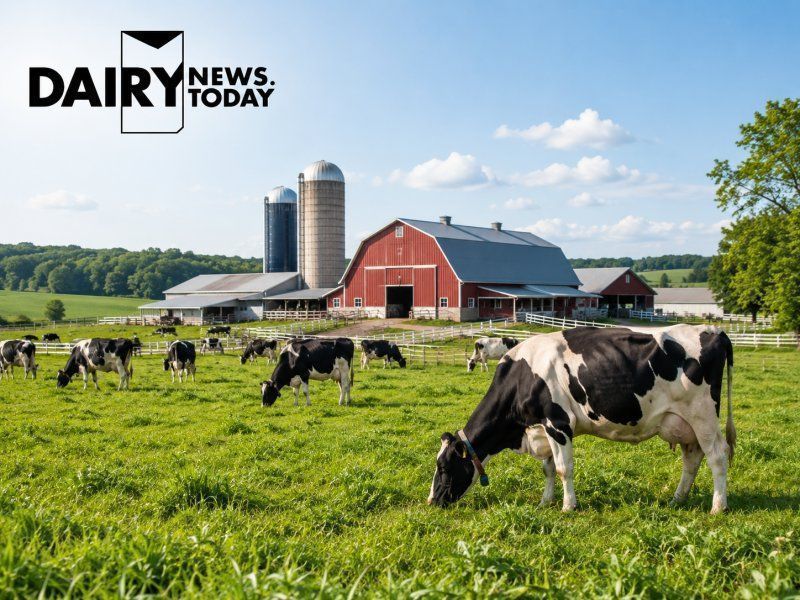
Research published in Volume 109, No. 7 of the Journal of Dairy Science examined two aspects of dairy production: differences between Jersey and Holstein cows, and conditions affecting the physical, mental and social well-being of dairy farmers. The studies were based on research in Canada and the United States.
The cattle study used a meta-analysis and meta-regression of 30 peer-reviewed papers. The studies compared purebred Jersey and Holstein cows kept under similar experimental conditions. The reported dataset contained 1,478 animals, including 806 Holsteins and 673 Jerseys. Researchers assessed dry-matter intake, production, feed efficiency, milk nitrogen efficiency and efficiency measured through energy-corrected milk.
Breed was associated with several production and intake measures, but the researchers found no significant difference between the breeds in energy-corrected-milk feed efficiency or milk nitrogen efficiency. The study also found that production differences varied during lactation. Holsteins generally had a larger advantage in milk volume at the start of lactation, whereas Jerseys retained production more effectively later in the cycle.
The findings indicated that Jerseys could become more competitive in milk-fat production as lactation advanced. Diet was another factor: feeds with higher neutral detergent fibre appeared to narrow the usual Holstein advantage in milk yield. The researchers said breed decisions should take account of a farm’s objectives, feeding system, milk-payment arrangements and feed costs, rather than milk volume alone.
The study described different economic and environmental considerations for the breeds. Jerseys are generally smaller and require less feed, while Holsteins produce larger quantities of milk and milk components. Earlier research cited by the authors has associated Jersey milk and cheese with potential advantages in natural-resource use and carbon footprint. The authors also noted that lower output can affect profitability where payment depends on milk prices or premiums for components.
The second study surveyed 115 dairy farmers in Western Canada and Ontario between May 2023 and April 2024. Its questions covered work duties, housing and milking arrangements, work-life balance, social connections, management practices, sources of stress and physical health. Participants identified financial pressures, feed costs, changing weather and workloads among the principal stressors.
Farmers who reported support at home, someone to speak with at work or collaboration with family members generally reported better mental well-being. Those who felt highly valued by consumers recorded lower reported levels of stress, anxiety and depression, together with higher resilience, than participants who felt less valued. The researchers said larger studies would be required to measure the strength of these relationships and determine effective interventions.