Student survey: 5.5% linked food to changes in their dreams
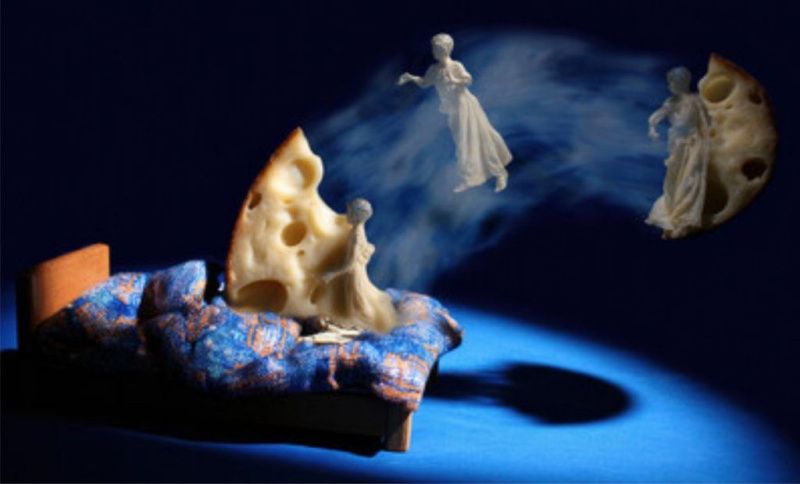
Led by Tore Nielsen of the University of Montreal, the research surveyed more than 1,000 students at MacEwan University. Participants answered questions about their diets, physical and mental health, and sleep quality. The investigation examined the longstanding belief that eating cheese at night is associated with nightmares.
About a third of respondents reported experiencing nightmares regularly. Beliefs about food and sleep were more widespread than reports of food affecting dreams: roughly 40% thought eating late at night influenced their rest, while 25% said particular foods made their sleep worse.
The researchers proposed a digestive explanation for the connection between dairy consumption and disturbing dreams. Eating excessive amounts of dairy products, including cheese, creamy cheese spread and fermented milk, can cause gas and stomach pain during the night. According to their explanation, that discomfort disrupts sleep and can contribute to unsettling dreams.
Nielsen highlighted a strong association between nightmare severity and lactose intolerance, as well as other food allergies. He suggested that dietary adjustments for people with food sensitivities could help ease their nightmares. In his view, the association with those sensitivities also helps explain why dairy products have so often been blamed for disturbing dreams.
Responses differed by sex and eating habits. Women were more likely to remember their dreams and report poor sleep. They were also twice as likely to have food allergies or intolerances. Respondents with poor dietary habits were more prone to negative dreams.
Nielsen said the relationship between eating habits and sleep could operate in both directions. He called for further research involving people with more varied profiles to establish the mechanisms underlying the connection.