String Bio develops methane-derived protein for animal feed
Founded in 2013 by Dr. Ezhil Subbian and Dr. Vinod Kumar, String Bio uses methane-consuming microorganisms to produce biomass through controlled fermentation. The gas supplies both carbon and energy to the microbes; the resulting material is processed into ingredients rich in protein. The company's proprietary technology, the String Integrated Methane Platform (SIMP), underpins applications in animal nutrition and aquaculture, as well as other prospective markets. Its approach uses methane as a production input instead of releasing it into the atmosphere or disposing of it through flaring.
Methane contributes to global warming and comes from biological processes and industrial activities. Sources include livestock, petroleum operations, landfill sites and facilities handling waste. The technology offers a way to use suitable captured gas streams in manufacturing. Conventional protein production often requires farmland, fresh water and other resource-intensive inputs. The environmental performance of methane fermentation depends on where the gas originates, the energy consumed during fermentation, subsequent processing, transport and emissions throughout the production cycle.
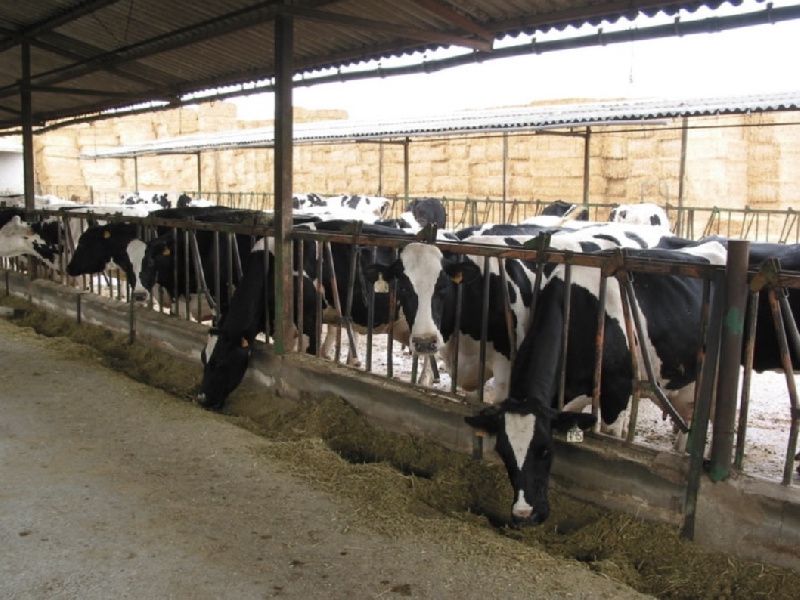
For dairy farms, feed represents a substantial operating expense, making the cost and availability of dietary protein important to profitability. Soybean meal is among the established ingredients used in cattle rations. Producing and supplying conventional proteins can involve pressure on land, water requirements, freight expenses and exposure to commodity-price changes. Methane-based microbial ingredients are being considered as another source of livestock protein, with potential dairy use dependent on nutritional performance and suitability for cattle.
Assessment for dairy feeding would cover digestibility, the balance of amino acids, compatibility with rumen function, acceptance by animals, safety and the price of usable protein. Research would also need to determine suitable quantities in rations and measure effects on milk output and composition, feed-use efficiency and animal health. Dairy-specific testing would be necessary because ruminant digestion differs from that of poultry and aquaculture species. The commercial development requirements identified in the article include regulatory clearance, clearly documented product specifications, independent animal-feeding studies and life-cycle assessments.
The article identifies potential environmental benefits from capturing methane otherwise destined for release and producing feed with a smaller overall footprint. It also describes the possibility of easing demand for land-intensive protein crops, depending on the production system's performance. Within dairy companies' climate programmes, alternative ingredients could sit alongside changes to manure handling, more efficient feeding, improvements in animal health and reductions in wasted resources. Their environmental contribution would depend on emissions across the full supply chain, including those associated with manufacturing and delivery.
String Bio is also working on agricultural inputs, including biostimulants designed to improve crop productivity and plant resilience. These products have potential applications in the farming systems that grow fodder and other feed crops, subject to field testing and commercial validation. The company's investors include Woodside Energy, Ankur Capital and Dare Ventures. Its gas-fermentation work is part of investment activity directed towards using industrial emissions and underused resources to manufacture products.
The company's expansion ambitions span several markets, with economic viability and consistent production among the requirements for scaling supply. For dairy applications, a central development milestone would be demonstrating that the protein meets livestock nutritional requirements at a competitive commercial price. The article identifies nutritional performance, safety, production economics and environmental results at commercial scale as conditions for wider use by feed manufacturers, dairy co-operatives and livestock producers.