SOYUZSNAB Selects Two Starter Cultures for High-Protein Yogurt from One Million Combinations
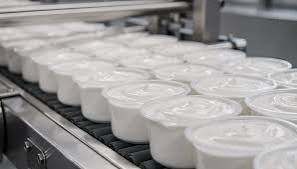
The development is intended for yogurt containing 8–10% protein. At this concentration, the buffering capacity of the milk system and the acidification rate change, and the interaction between casein micelles and whey proteins becomes more complicated. Using regular starters can result in a coagulum that is overly dense or uneven. Other potential defects include graininess and syneresis, which is the separation of whey during storage.
Traditionally, researchers compile strain combinations, ferment samples, measure the properties of the resulting gel, and check its stability. According to the center's specialists, the laboratory can test about ten combinations per day. Testing 10,000 options using this method would take approximately three years.
The Research Center's model shifts the main screening phase to calculations. It compares the protein base characteristics with the technological properties of microorganisms, such as the intensity of acidification, strain compatibility, the peculiarities of protein network formation, its moisture retention capacity, and the risk of forming large protein aggregates.
Selection begins with the desired properties of the finished yogurt—density, uniformity, and coagulum stability, alongside fermentation parameters. The model then determines strain combinations for experimental testing. Thus, researchers tested 20 calculated variants in the lab instead of sequentially trying all possible combinations.
According to SOYUZSNAB Group, their own collection, comprising over 10,000 microorganism strains, was used for the development. The next stage of research involves expanding experimental data and adapting the model to other protein bases. In subsequent starter culture selections, specialists plan to consider protein origin, the ratio of its fractions, and the specifics of technological processing.