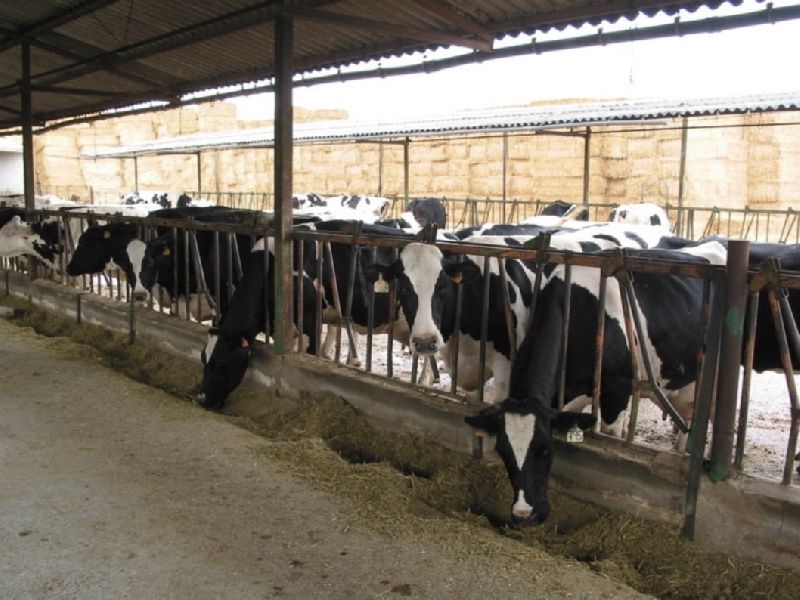
Soybeans Offer Cattle Producers Alternative Protein Sources
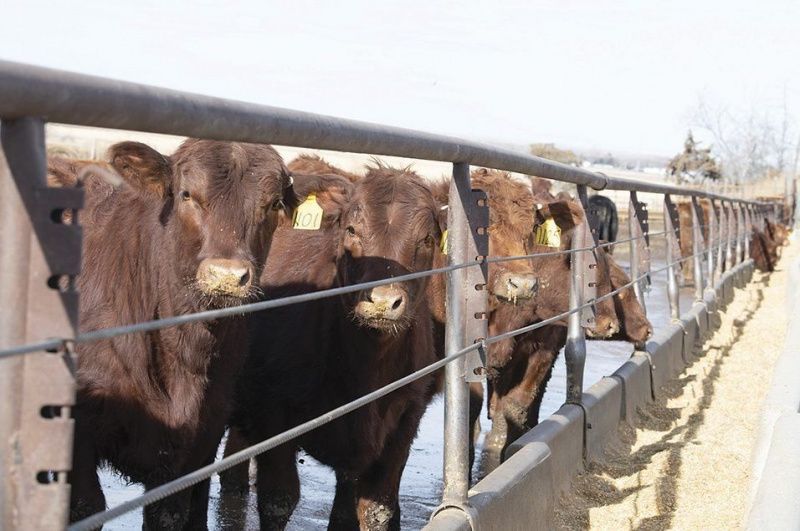
Researchers at the University of Nebraska–Lincoln compared three protein ingredients in diets based on corn silage: modified distillers grains, raw whole soybeans and roasted soybeans. The trial involved growing heifers and tested each ingredient at 7%, 14% and 21% of diet dry matter. The diets were formulated to meet or exceed the animals’ metabolizable-protein requirements.
Corn silage commonly contains between 6.5% and 8.5% crude protein, but only about 16% of that protein is rumen-undegradable protein (RUP). Rumen-degradable protein is broken down in the rumen and used by microorganisms, while RUP passes through the rumen for digestion in the small intestine. Together with digestible RUP, microbial protein contributes to the metabolizable protein needed for maintenance and growth.
Modified distillers grains are often added to silage-based rations because they contain a larger share of RUP than corn silage. The study examined soybeans as alternatives when distillers grains are costly or unavailable. Soybeans contain about 40% crude protein as well as fat and energy, but processing affects how much of that protein remains available beyond the rumen.
In raw whole soybeans, RUP accounted for roughly 20% of crude protein. Roasting increased the share to at least 50%, giving roasted soybeans a higher potential contribution to intestinal protein supply. The researchers noted that the value of either soybean product also depends on the ration’s energy content, digestibility, fat level and ingredient costs.
Heifers fed modified distillers grains consumed the most feed and recorded the largest weight gains among the groups. Roasted soybeans, however, were associated with better feed efficiency. Across the tested ingredients, the 21% inclusion rate produced the greatest gains, and feed conversion was generally better than at the 14% rate.
Final body weight rose as the inclusion of modified distillers grains and raw whole soybeans increased. Since all the rations met the animals’ protein requirements, the researchers said the response to higher inclusion could have reflected the additional energy supplied by the ingredients rather than protein alone. The findings therefore support evaluating the full ration, rather than comparing feeds only by their crude-protein percentages.
The practical choice between the ingredients depends on local prices, processing expenses, availability and the producer’s performance targets. The study identified both raw and roasted soybeans as usable alternatives to modified distillers grains in appropriately balanced diets, while the results did not show soybeans to be universally superior. Rations must account for metabolizable protein, energy, fat and other nutritional requirements.