Sinaloa launches a livestock screwworm containment plan
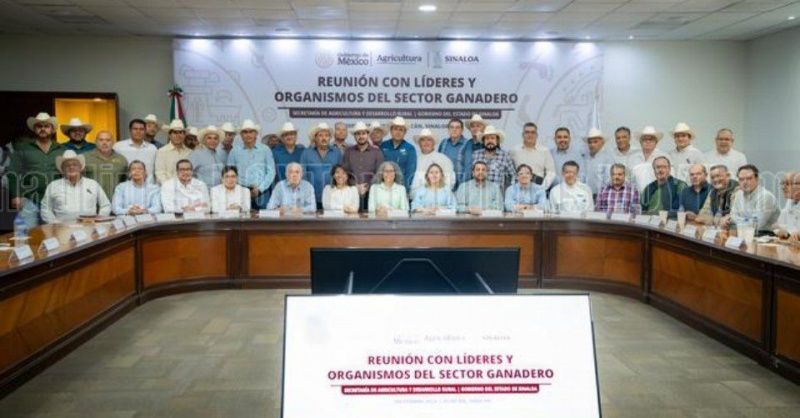
Sinaloa’s agriculture authorities are working with Mexico’s National Service for Agro-alimentary Public Health, Safety and Quality (Senasica) and the Regional Livestock Union of Sinaloa to prevent the introduction or spread of the livestock screwworm, Cochliomyia hominivorax. The emergency plan is described as a zoosanitary protection and rescue operation covering the state’s cattle sector.
The parasitic infestation affects living tissue when fly larvae develop in wounds. Particular risks identified by the authorities include newborn calves’ umbilical cords, as well as udder tears, post-partum injuries and wounds resulting from dehorning, castration or tick bites.
Infested animals can develop fever, secondary bacterial infections and rapid loss of body condition. The infestation can also sharply reduce milk production and cause high mortality when animals are not treated promptly with authorised larvicides and wound-healing products.
Authorities have increased operations at Zoosanitary Verification and Inspection Points on Sinaloa’s road borders. Inspectors are checking live-cattle shipments arriving from southern and south-eastern parts of Mexico. Their instructions include detailed physical examinations, verification of current Zoosanitary Movement Certificates and checks of identification tags issued through the SINIIGA livestock system.
Suspicious consignments can be held while larval samples are collected for molecular diagnosis at official laboratories. The state has also joined national measures that include the release of sterile flies and continuous entomological monitoring.
The authorities linked the containment effort to Sinaloa’s plans to resume calf exports to the United States. An active outbreak in the region would affect the state’s sanitary arrangements with the US Department of Agriculture’s Animal and Plant Health Inspection Service, according to the source, and would hinder Sinaloa’s programme to recover its zoosanitary status for bovine tuberculosis and brucellosis.
Livestock organisations and sector agencies have expanded training brigades for producer committees in all 18 municipalities. Farmers are being urged to inspect animals daily, treat any abrasion and report suspected cases immediately to animal-health authorities. The plan is intended to protect the livestock assets of more than 30,000 producer families and the state’s meat and dairy production.