Silage Losses in Brazil Can Exceed 30%
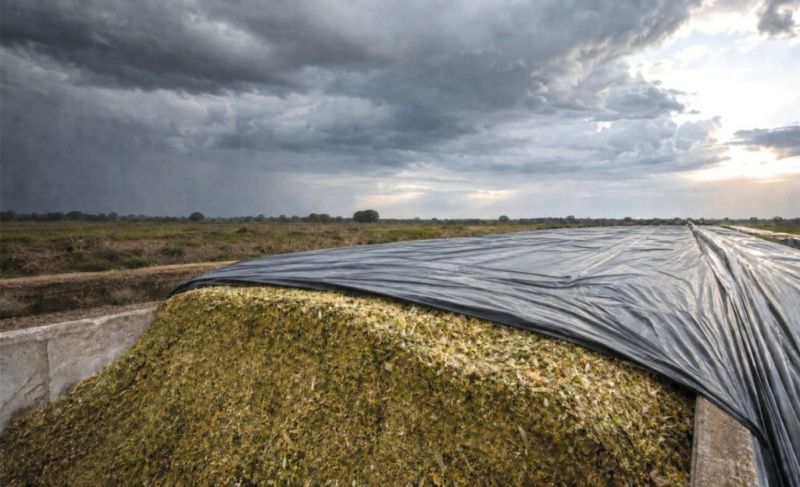
The most critical stage is the removal of silage from the silo, when losses can range from 3% to more than 30%. The level depends on management conditions and on the stability achieved during fermentation.
Heating of the silage mass is the main sign of aerobic deterioration. It is associated with the growth of yeasts and other undesirable microorganisms, which reduce nutritional value and animal intake. The process can also support the growth of filamentous fungi and increase the risk of mycotoxins.
A 10% loss means that only 90 tonnes of dry matter reach the feed bunk for every 100 tonnes placed in the silo. Using an average daily intake of 13kg of forage dry matter for a dairy cow, the 10 tonnes lost would represent enough feed to maintain about 25 cows for 30 days.
Bacterial inoculants are used to direct fermentation and limit losses. Homofermentative bacteria accelerate lactic-acid production and the reduction of pH, shortening the period in which undesirable microorganisms remain active. This approach is particularly relevant for tropical grasses, which contain fewer soluble carbohydrates, and for legumes, which have greater buffering capacity.
Heterofermentative bacteria, including Lentilactobacillus buchneri and Lentilactobacillus hilgardii, produce metabolites with antifungal activity, especially acetic acid. These compounds inhibit yeasts and fungi and improve aerobic stability once the silo is opened. The application is relevant to whole-plant silages made from maize, sorghum and sugar cane, as well as to grain silages.
Inoculants do not compensate for inadequate compaction, poor sealing or incorrect handling of the exposed silo face. Product selection is based on the forage species, the specific ensiling challenges and the conditions of each farm, with support from scientific research. The source also noted that, in a year of greater climatic uncertainty, each percentage point of conserved dry matter represents additional feed availability for dairy operations.