Severe Drought in Atlántico Halves Milk Production
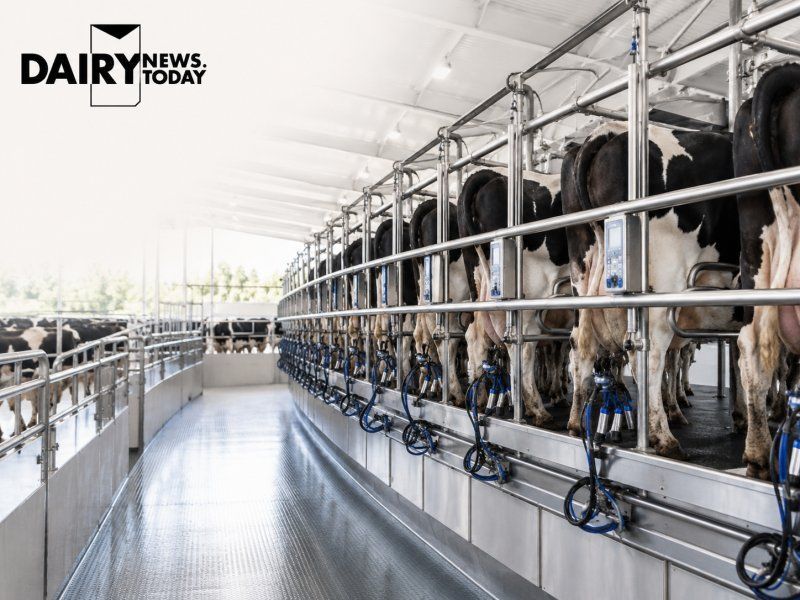
The Colombian department of Atlántico is facing a significant agricultural challenge as a severe drought has led to a drastic 60% reduction in milk production. This sharp decline, reported by Asoganorte, is compared to the same period in 2025. The ongoing drought has resulted in dry reservoirs, severely limiting water availability for cattle and impacting farm productivity.
Economic Pressures on Farmers
Jorge Rodríguez, the executive director of Asoganorte, highlighted that the combination of reduced milk volumes and stable prices is affecting producers' profitability. Adding to these pressures is the substantial increase in feed costs. Maize silage, a key feed supplement during dry seasons, has nearly doubled in price. Currently, a ton costs around 600,000 Colombian pesos, up from the usual 300,000 to 350,000 pesos. Furthermore, transporting feed from other regions adds an additional 120,000 pesos per ton, raising production costs even further.
Long-Term Recovery Efforts
Experts in the agriculture sector warn that the consequences of the drought will persist even after rains return. The loss of cattle body condition and reduced production levels will require a recovery period that may extend until 2027, as the productivity of herds needs time to be restored.
Impact Beyond Dairy Farming
The drought's impact is not limited to dairy farming. Asoganorte reports that low water levels in the Magdalena River have also hampered the planting of staple crops, affecting small farmers and reducing available forage for cattle.
Calls for Urgent Action
In response to the crisis, Asoganorte has appealed to authorities for urgent measures to mitigate the drought's effects. They emphasize the need for water supply assurance and improved access to cattle feed. The organization believes that without supportive measures, the crisis could deepen in the coming months, further delaying the recovery of milk production in the region.