Saexi Invests R$5.5m in a Simbrasil Dairy Project
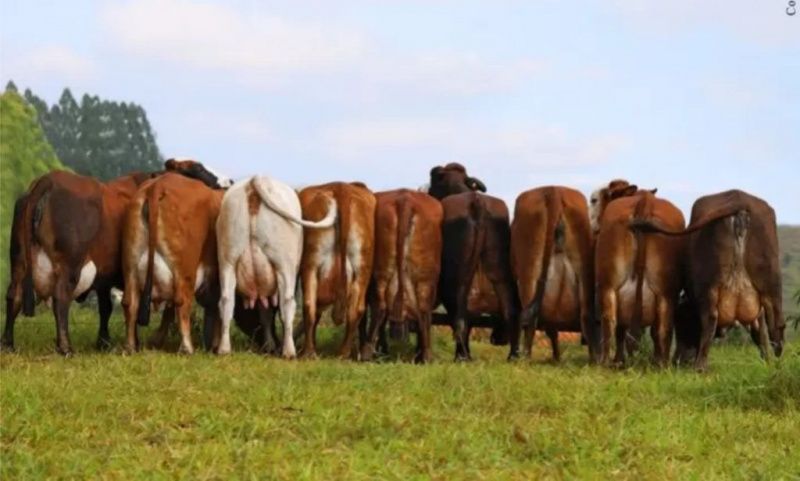
Saexi’s project follows a pilot programme in which the company tested Simbrasil cattle in purebred herds and in crosses involving specialised zebuine breeds and F1 cows. The company said the trials supported the investment in a production system combining dairy output with the value of male animals sold for beef.
The initial operating target is 12,000 litres of milk per day. Saexi said some cows in the herd produce more than 40kg of milk daily, while first-calving cows exceed 25kg a day. The breed also carries Simental genetics associated with a high concentration of milk solids, a characteristic the company links to the potential for better payment by processors.
Male Simbrasil cattle provide a second source of revenue. According to Saexi, they record strong weight gain and carcass yield, allowing producers to market them for slaughter in addition to selling milk. The company describes this combination of dairy and beef traits as the central feature of the investment.
The project will use a compost-barn system, an intensive housing model. Saexi said the system requires cattle that are hardy, healthy and able to withstand demanding production conditions, and identified those traits, together with tropical adaptability, in Simbrasil animals.
Saexi has operated a genetic-improvement programme since 1998. Its current herd contains about 5,000 breeding cows, including roughly 500 Simbrasil animals. The new project was expanded through the purchase of one of the leading Simbrasil herds focused on milk production, after more than 30 years of selection. The company has also increased its use of official milk recording.
The breed is also being used in commercial crossing programmes. Saexi said Simbrasil bulls have hardiness comparable to zebuine sires, making pasture mating possible with reproductive efficiency. Crosses with zebuine cows and F1 animals produce heterosis, or hybrid vigour, alongside reported gains in productivity, reproductive performance, tropical adaptation and carcass quality.
Saexi said the project reflects producers’ search for genetics that can raise output while lowering costs and increasing the value obtained from each animal, through both milk production and the beef contribution of the herd.