Südpack expands packaging options for drinkable yogurts
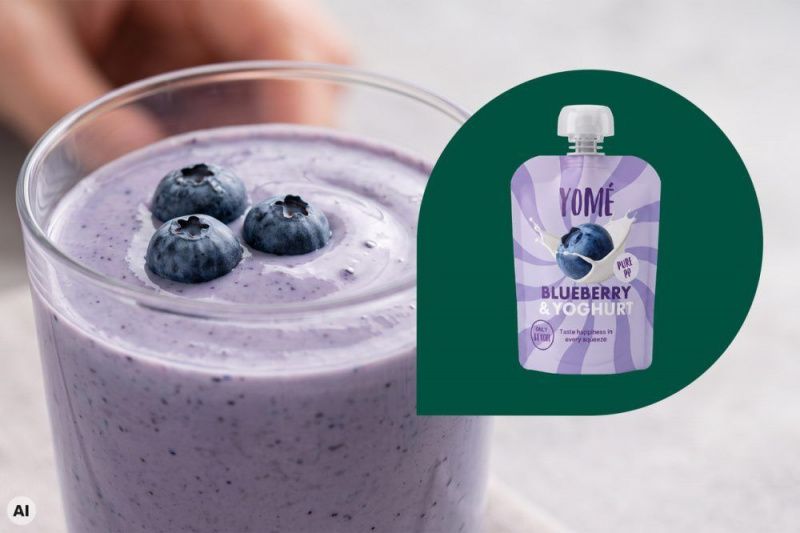
Südpack has added a polypropylene-based film solution to its range for producing spouted pouches for drinkable yogurt. The company’s move comes as flexible pouch formats gain ground alongside the bottles and cups that continue to dominate the sector.
Rigid packaging, including PET bottles and cups, accounts for more than 44% of the market, according to Südpack. Flexible pouches are described as the fastest-growing alternative format, with forecast growth of 8%. Their design allows consumers to compress the pack so that it can be emptied almost completely, while the stand-up format is intended to remain sufficiently robust for routine carrying in a handbag or backpack.
The new material, marketed as CarbonLite PurePP, uses polypropylene as its base. Südpack says the film can be adjusted to provide the required protection against oxygen and water vapour. Internal testing by the company found that the material provides the same shelf life as PET, aluminium and polyethylene laminates that are commonly used for these applications.
The film is intended to be combined with a polypropylene spout. Using the same polymer family for the pouch and its spout means that the complete package can enter the polypropylene recycling stream, according to Südpack. The solution was developed in accordance with design principles associated with the European Union’s Packaging and Packaging Waste Regulation, or PPWR. The company reports a recyclability rate of more than 95%.
Südpack also compared the material footprints of the two packaging concepts. Its internal calculations, based on raw materials and production, put the carbon-dioxide-equivalent footprint of a polypropylene spouted pouch at more than 40% below that of a PET/aluminium/polyethylene laminate. The comparison used a 111-micrometre film for the pouch and a 103-micrometre laminate for the conventional format.
The two formats also differ in their stated end-of-life routes. Südpack says the conventional laminate is generally directed to energy recovery after use, while the polypropylene-based pouch can undergo mechanical recycling. The company’s new offering therefore covers the film structure and the polypropylene spout as part of one packaging concept.