Revival of Colonial Cheese Production in Paraná
The production of colonial cheese in the southwest of Paraná, Brazil, has a rich history dating back to the 1930s. It began with Italian, German, and Polish migrants who brought their culinary traditions to the region. Initially, cheese-making was a domestic activity primarily carried out by women to sustain their families. Surplus cheese was sold within communities, helping maintain traditional production methods.
In 1952, new regulations requiring pasteurization and federal inspection of animal-based foods posed a challenge to small family-run cheese producers, many of whom could not meet these standards. This led to a period of informal production that lasted until 2017.
The regulatory landscape shifted in 2017 when rules for artisanal cheeses made from raw milk were relaxed, provided that certain sanitary requirements were met. These included controlling diseases like tuberculosis and brucellosis in livestock, adopting good manufacturing practices, and following specific maturation periods for cheese.
This regulatory change allowed producers to maintain a key feature of colonial cheese — the use of raw milk. This aspect is crucial as it preserves unique family recipes and reflects the local terroir, influenced by factors such as animal diet, vegetation, climate, and traditional knowledge passed down through generations.
In response to the 2017 regulatory changes, the Aprosud association organized local cheese producers and sought formal recognition for colonial cheese. From 2018 to 2025, these efforts culminated in winning 61 medals at state, national, and international competitions, significantly boosting the cheese's profile.
Technical visits, media coverage, awards, and exchanges with producers from other regions have further increased the visibility of colonial cheese. This growing demand has necessitated adaptations in the organization and management of cheese production facilities.
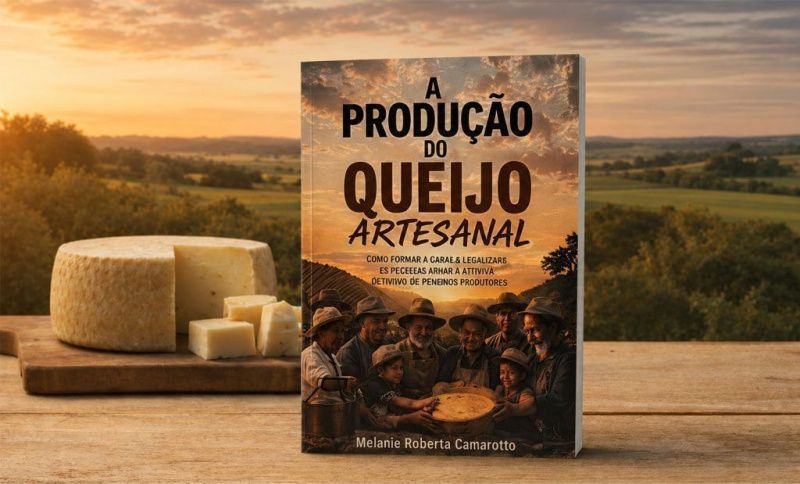
Melaine Camarotto, whose personal and professional background is deeply intertwined with the region's cheese-making tradition, has studied the artisanal production from various perspectives, including management, market dynamics, and territorial identity. Her research underscores the importance of recognizing and valuing this traditional craft.