Researchers Map Serra Gaúcha Cheese Microbiota
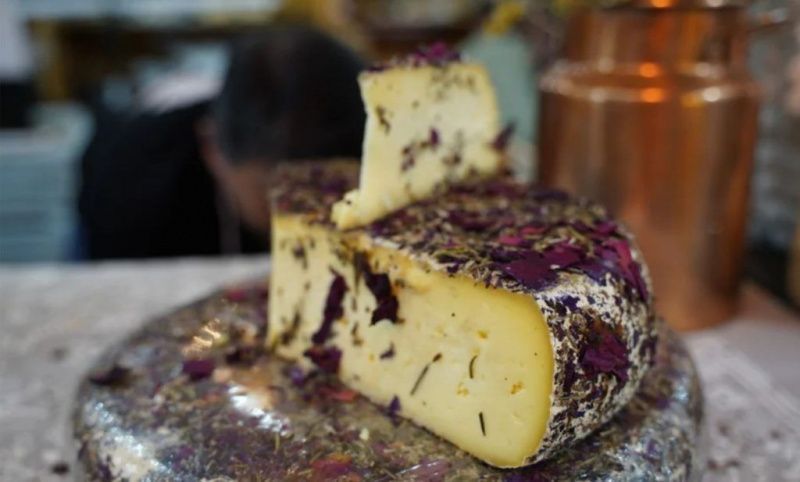
For generations, producers in Rio Grande do Sul’s Serra Gaúcha have associated their colonial cheese with the place where it is made. A project involving producers, researchers and institutions is now collecting information on the cheese’s microbiota to investigate that local identity.
The study focuses on colonial cheeses made from raw milk. It examines microorganisms naturally present in the milk and in production environments, including conditions connected with the soil, vegetation and the rooms where cheese is produced and matured. According to the project, these microorganisms are involved not only in cheesemaking but also in the development of aroma, flavour, texture and other product characteristics.
The approach is comparable to the concept of terroir used in wine. It addresses why producers using similar methods and the same cattle breed can still make cheeses with different characteristics when their territories of origin differ.
The project is not intended to make all production uniform. A possible Geographical Indication would recognise features shared by families producing cheese in the same territory while preserving each producer’s individual identity. The report says that each maker’s technique, history and method would remain part of the final product.
Recognition of origin is also presented as relevant to the wider rural economy and culture. The project links it with keeping producing families in the countryside, valuing knowledge passed down through generations, encouraging gastronomic tourism and protecting a cultural heritage associated with the region.
The designation could also change how the cheese is positioned in the market: rather than competing only on price, it would be identified by its origin, adding value across the production chain. Researchers involved in the work say science is not creating the cheese’s identity, but documenting with data something producers have long recognised through experience.