Raw-milk sales fall approximately 50% in Mexico’s Celaya
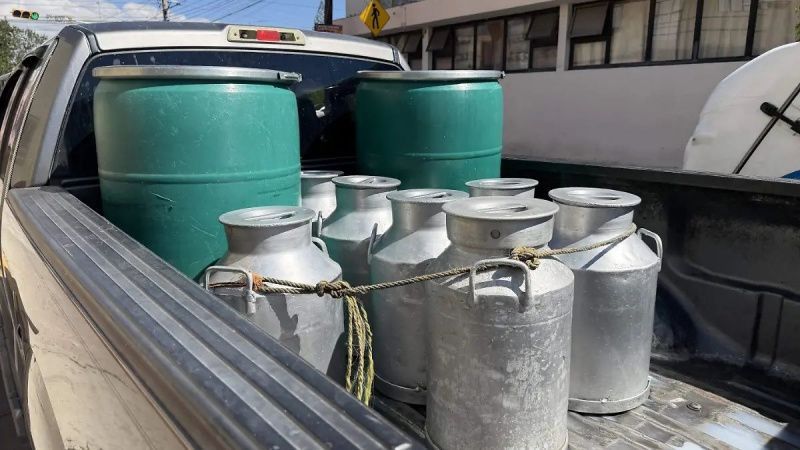
David Gómez, who has spent more than three decades delivering milk in a van using metal churns, described daily sales as among the most difficult of his career. The traditional distribution network connects small livestock farms in the Bajío region with artisan food businesses. These workshops account for almost all its customers, using unpasteurised milk to make products including Celaya’s traditional cajeta, a milk-based confection prepared through slow cooking in copper vessels. Falling orders have put pressure on both family-run farms and delivery businesses.
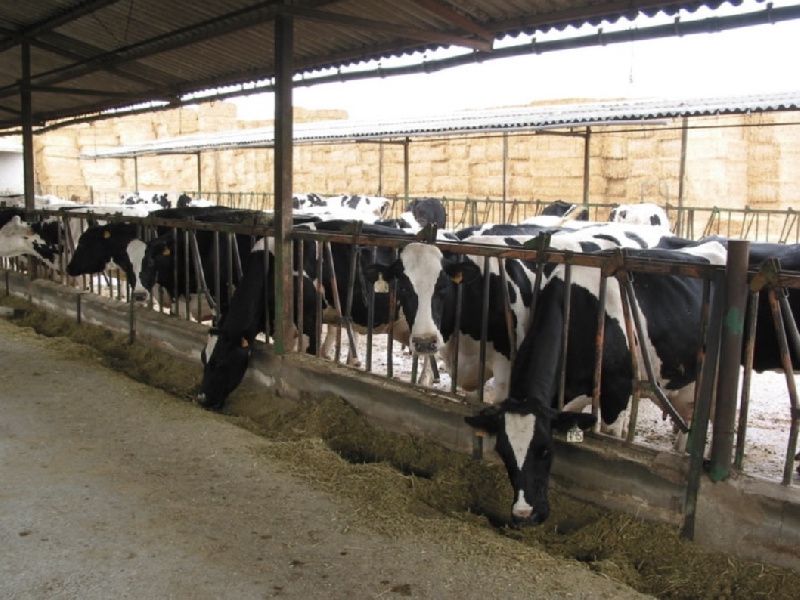
Local dairy holdings and backyard livestock operations keep cattle and goats. Their feeding routines combine fresh alfalfa, dry hay and commercially prepared feed to maintain milk yields and fat and protein content. Milking takes place in the morning, either by hand or with portable mechanical equipment. Producers without industrial tanks capable of rapidly cooling milk to four degrees Celsius must send it out for delivery early in the day. Without prompt distribution, ambient heat can encourage bacterial acidification and alter the properties required by artisan confectioners and cheesemakers.
The report links weaker direct demand to changing urban consumption habits and the increasing use of substitute products and industrial ingredients in local confectionery. Whereas households previously bought fresh milk to boil at home, younger consumers favour packaged products or lower-cost commercial formulations sold through retailers. Some semi-industrial sweet manufacturers and neighbourhood cheesemakers have also begun replacing cow’s and goat’s milk, in whole or in part, with dried dairy whey, modified starches and palm-based vegetable fats to reduce production costs.
Health warnings have added to the commercial pressures described in the report. Authorities have warned of microbiological risks, including brucellosis and tuberculosis, associated with consuming raw milk without first pasteurising it. Alongside the substitution of industrial ingredients, these concerns have narrowed the customer base for traditional suppliers. Remaining demand is increasingly concentrated among established buyers who continue to purchase unpasteurised milk for their production processes.
Higher agricultural input prices and delivery fuel costs are squeezing the finances of small farms and distributors. Animal feed accounts for as much as 75% of operating expenditure per litre of milk produced. Drought in agricultural valleys and higher transport charges for forage brought in from elsewhere have increased feeding costs. With sales volumes halved, distributors’ gross income barely covers vehicle maintenance and purchases of concentrated animal feed, according to the account.
Small dairy operators lack access to concessional development-bank loans and price hedging, leaving them directly exposed to market fluctuations. Many have reduced their milking herds or sold breeding animals at low prices to avoid operating at a loss. These adjustments affect the small livestock businesses that supply the traditional delivery trade, whose operating requirements include daily feeding, morning milking and rapid transport to customers.
The report proposes a coordinated response involving municipal authorities, livestock committees and traditional confectionery manufacturers. Its recommendations include training in good milking practices, improved hygiene for stainless-steel containers and financial support for small rapid-cooling units. It also advocates certifying cajeta factories that use genuine cow’s and goat’s milk through designation-of-origin or geographical-indication labels, with the stated aim of distinguishing local milk-based products from syrups and artificial substitutes.