Rajasthan’s Drought Threatens Fodder Supplies and Dairy Farmers
Drought declaration
Rajasthan’s agricultural sector is under pressure after below-average monsoon rainfall, according to the news report. Drought conditions have been declared in 80 tehsils across 14 districts, including Jodhpur, Banswara and Jalore. The report links the deteriorating crop situation and limited water availability to concerns among livestock owners and dairy farmers.
Livestock rearing is an important source of rural income in Rajasthan. The report says prolonged rainfall deficits can affect milk production and increase the expense of keeping animals. They can also place pressure on dairy supply chains, which depend on farmers being able to maintain healthy cattle and regular feed supplies.
Feed and water availability
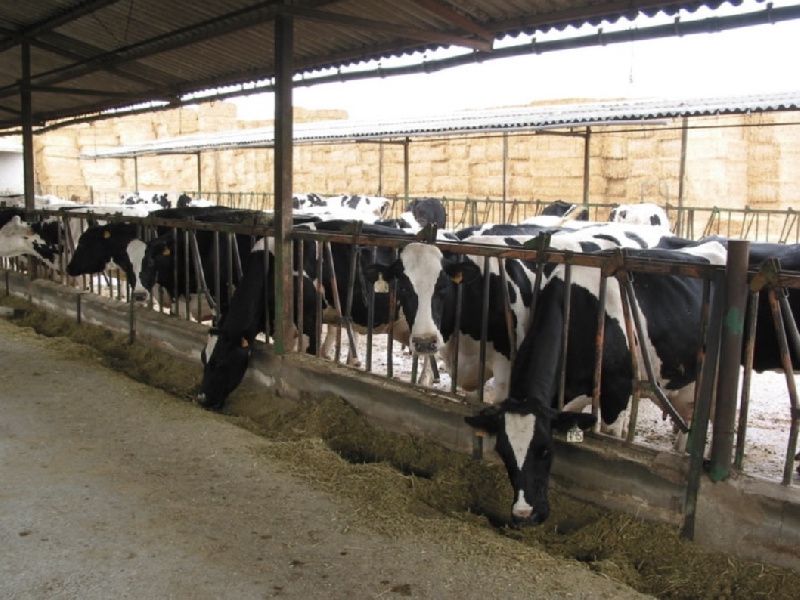
Insufficient rainfall can reduce the output of green fodder grown for livestock. Crop residues, which are also used as animal feed, may become less available when agricultural production is affected. Farmers may therefore need to buy dry fodder, green fodder or concentrated feed from other areas, adding procurement and transport costs.
Smallholder dairy farmers face particular constraints because they may have less land for growing fodder and fewer resources for building feed reserves. The report says that, if dry conditions continue, maintaining productive animals could become more difficult for these households. The effect is expected to vary by local rainfall, existing fodder stocks, irrigation access and farmers’ ability to purchase supplies.
Potential effects on dairy production
Feed quality and water access are important to milk yields and animal health. The report says inadequate nutrition may reduce milk production, while heat stress and insufficient drinking water can affect feed intake, reproductive performance and general condition. Nutritional stress may also increase the need for veterinary care, mineral supplements and other forms of dietary support.
The drought declaration does not establish that milk production has fallen in every affected district. It identifies a risk requiring monitoring, with conditions likely to differ between locations. Dairy cooperatives and milk-collection networks could face fluctuations in supply if farmers reduce herd sizes or find it difficult to sustain production.
Costs and possible responses
Feed is a recurring cost in dairy farming. When local fodder is scarce, farmers may pay more for supplies or bring them from farther away. The report says that higher procurement and transport expenses could reduce dairy margins if milk prices do not rise at the same time. Financial pressure may be greater for smallholders whose household income depends on dairy activities.
The report lists possible responses involving agricultural departments, animal-husbandry authorities, dairy cooperatives and local administrations. These include fodder banks, lower-cost feed supplies, transport from areas with surpluses and safe drinking water for livestock. Veterinary outreach could help identify nutritional stress and provide guidance on feeding and heat management.
Other measures mentioned include preparing silage, preserving available crop residues and growing drought-tolerant fodder varieties where water supplies allow. The report says assistance should reflect local assessments of fodder shortages, livestock numbers and farmers’ financial needs. Longer-term options identified in the report include rainwater harvesting, improved storage, more efficient irrigation, fodder conservation and diversified feed sourcing.