Proteins Point to Cheese-Making in Prehistoric Çatalhöyük
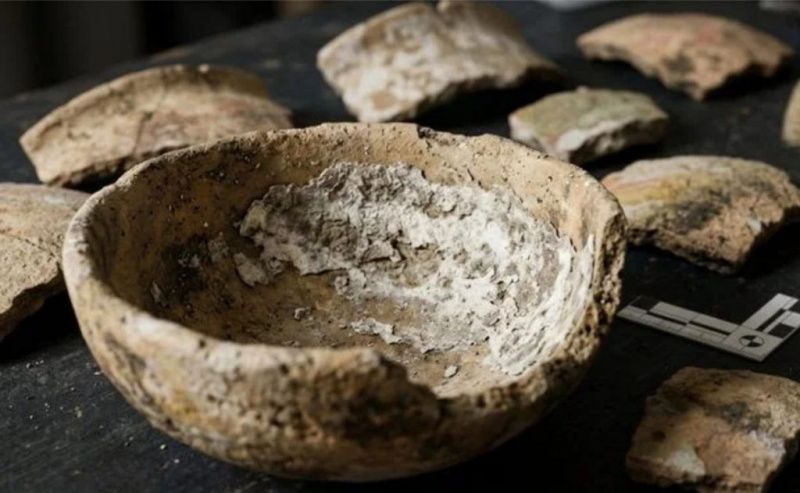
Researchers examined crusts adhering to ceramic bowls and pots from the western area of Çatalhöyük. The vessels were used around 5900–5800 BC, when the settlement’s inhabitants cultivated plants and kept animals. The study, published in Nature Communications, used food residues preserved inside the pottery to investigate what the containers had held.
Small samples were taken from the deposits and analysed for surviving protein fragments. The researchers compared the molecular signals with those associated with known foods and animals. They identified milk-related proteins, including whey in some vessels and curd in others.
The distinction between the two substances provided evidence of different components of milk processing. Milk can produce both solid and liquid fractions, so the separate findings were consistent with preparation steps similar to those used in cheese-making. The analysis did not establish the shape, taste or texture of any finished cheese.
The researchers also set limits on the interpretation. The residues cannot show that every vessel was used for cheese, nor that the community followed a single method. The conclusion rests on the combination of several chemical signals rather than on the discovery of an intact food product.
Other proteins found in the ceramic deposits were associated with wheat and barley, as well as peas and other legumes. Some fragments indicated meat and animal products. Certain vessels contained concentrated signals from particular foods, while others held mixtures, suggesting that the containers were used for different preparations or at different times.
The findings also highlighted the value of preserving crusts inside archaeological pottery. Such deposits could previously be removed during cleaning, but they can retain proteins long after visible food has disappeared. At Çatalhöyük, the residues provided evidence of milk, cereals, legumes and possible dairy processing without relying on written recipes or whole food remains.