Protein demand is tightening dairy’s milk pool
Protein demand outpaces available milk
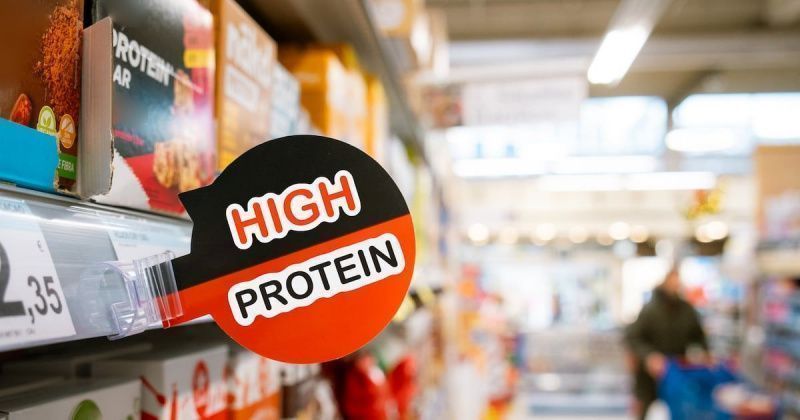
Demand for protein-enriched foods and drinks has spread across categories including coffee and snacks. High-protein diets and the wider use of GLP-1 weight-loss medicines have added to changing consumption patterns, increasing pressure on processors to extract more protein from each unit of milk.
The premium whey segment is particularly constrained. Ingredients such as whey protein concentrate with 80% protein, known as WPC80, and whey protein isolate, or WPI, continue to attract strong demand, while limited availability is supporting higher prices. Supplies of more commoditised milk powders are also declining, contributing to price increases in that market.
Global milk production expanded substantially from the middle of 2025, but growth slowed during the second half of 2026, according to Rabobank. The bank expects further reductions in supply during the fourth quarter. Farmgate prices in major producing regions have risen as an incentive for farmers to increase output.
Higher milk prices are being weighed against the cost of production. Feed and fertiliser prices, along with the availability of those inputs, are affecting the profitability of dairy farms and could delay herd expansion. Brian Quinn of Quoreka, a commodity-trading software provider, said that input conditions were making it harder to increase milk production and add cows. “There is only so much protein you can take out of a gallon of milk,” he said.
Processors therefore have to allocate limited milk among dairy products while considering both input costs and the returns available from different categories. A renewed increase in milk production would not automatically resolve the market imbalance: additional volumes would have to be directed carefully to avoid excess supply in commodity dairy markets, where demand growth remains subdued, while meeting demand for protein ingredients.
Quinn also questioned whether demand linked to weight-management medicines would persist indefinitely. He compared the current increase in protein consumption with the rise associated with the Atkins diet in the United States in the early 2000s. If protein demand remains strong while milk production stays constrained, pressure across dairy markets would continue. An expansion of the milk pool would affect products beyond whey, as processors handled the extra milk needed for protein production and potentially eased supply constraints in other categories.