Profeco Identified Lala 100 and Alpura Selecta as Protein Leaders
Profeco’s quality study examined commercial fluid milk sold in Mexico, including labelling, net volume, calories and macronutrient composition. The agency compared the products with the Mexican legal minimum of 30 grams of protein per litre, or 3 grams per 100 millilitres.
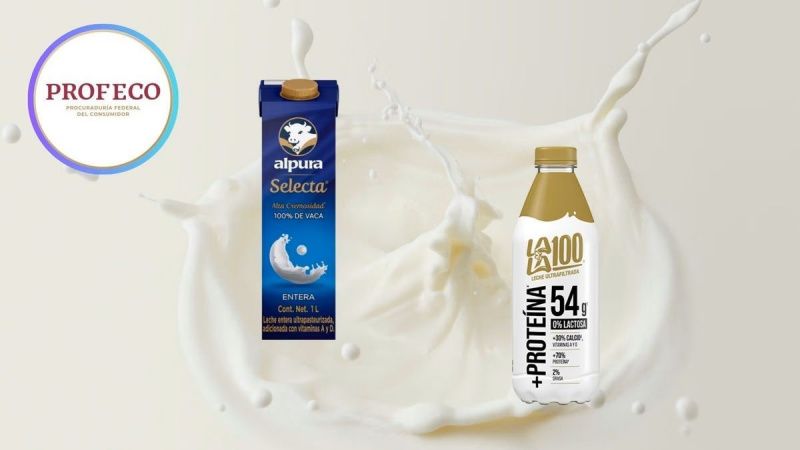
The analysis reported 5.4 grams of protein per 100 millilitres in Lala 100 + Protein and 3.4 grams in Alpura Selecta. Profeco said both products were made entirely from genuine cow’s milk, with the measured protein attributed to intact caseins rather than synthetic compounds or diluted industrial whey.
The products are sold as pasteurised or ultra-high-temperature milk. Their processing uses membrane ultrafiltration to separate water and lactose while retaining casein and whey proteins, according to the report. The formulations were described as maintaining a natural proportion of at least 80% casein.
The study also referred to aseptic filling in multilayer packaging and temperature control at 4°C in receiving tanks. It said these measures help limit enzymatic changes in butterfat and preserve added vitamins A and D during the products’ commercial shelf life.
Average retail prices cited in the report were 42 pesos per litre for Lala 100 and 35 pesos for Alpura Selecta. Profeco contrasted the two products with lower-priced alternatives that, it said, may use dehydrated whey, modified starches or vegetable fats from palm or soy and may be sold under names that confuse consumers.
The report linked high-protein milk processing with greater requirements for raw material and specialised equipment, including filtration systems and high-pressure sanitary pumping. It also said processors seek milk from farms with sanitation controls, low somatic-cell counts and no antimicrobial inhibitors, while payments based on protein and fat content can affect suppliers’ returns.