Pottamlodi builds a self-sustaining community dairy model
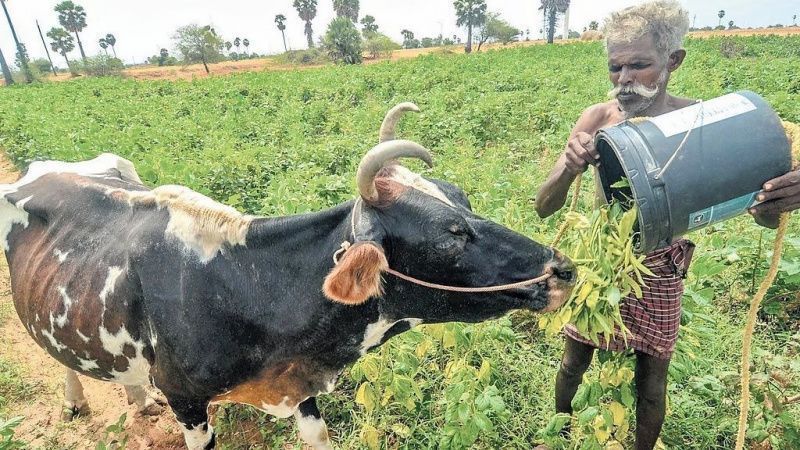
Pottamlodi is a hamlet in Telangana’s Adilabad district, under Alikori Gram Panchayat and about 20km from the district headquarters. Its 50 families operate a shared dairy system in which milk remains within the settlement rather than entering commercial distribution channels.
The community’s herd numbers roughly 240 cows and other cattle. Most households look after between five and ten animals, which residents regard as part of their families rather than primarily as commercial assets. Milk from the animals is pooled and allocated among households according to nutritional needs. The arrangement means residents do not depend on packaged retail milk and do not purchase supplies from commercial dairies.
Pottamlodi has also organised the daily care of the herd collectively. Three cattle grazers collect the animals from individual homes each morning and take them to shared grazing areas and pasture fields. The system divides the labour associated with the herd among the community and provides a common routine for grazing and exercise.
Cattle manure and urine are used in the hamlet’s farming activities. Families convert the waste into compost and liquid bio-fertilisers for crops, and the village follows an organic farming system that excludes synthetic chemical fertilisers and industrial pesticides. According to the account, this has removed spending on those external agricultural inputs and reduced cultivation costs.
The community’s policy also excludes commercial sales of milk outside Pottamlodi. Residents use their own production for household consumption, avoiding reliance on external retail channels and concerns cited in the report about adulteration, synthetic additives and chemical residues in dairy products.
The model links livestock management, internal milk distribution and crop production within the same settlement. It relies on shared grazing work and on returning cattle waste to farmland, rather than on commercial chilling facilities, external buyers or formal marketing contracts.