Plantain Reduces Nitrate Leaching by 33% in New Zealand Dairy Farms
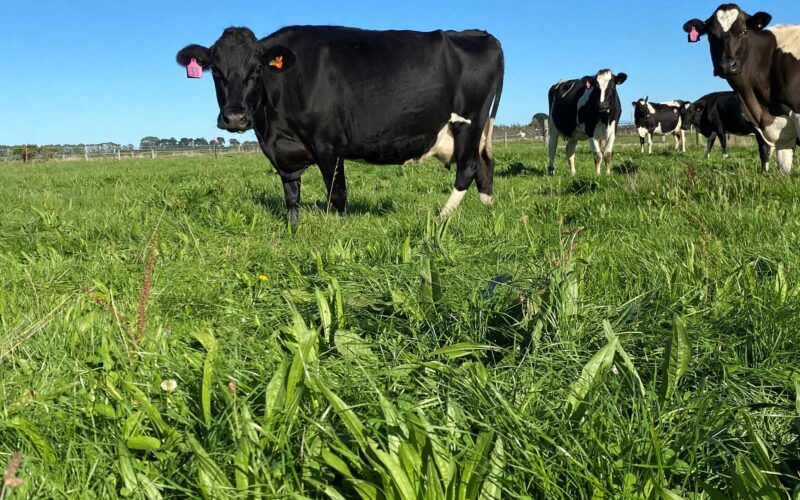
A recent trial conducted by DairyNZ at the Lincoln University Dairy Farm has demonstrated a significant environmental benefit from the use of plantain in dairy pastures. The study, which spanned four years, found that incorporating plantain into pastures resulted in an average reduction of 33% in nitrate leaching, decreasing from 18 kg/ha/year to 12 kg/ha/year. This was achieved without any negative impacts on milk production, herbage yield, or farm profitability.
The trial was part of the Plantain Potency and Practice initiative, which began in 2021 and is a collaborative effort involving DairyNZ, the Ministry for Primary Industries, PGG Wrightson Seeds, and Fonterra. The initiative aims to provide New Zealand dairy producers with effective tools to meet stringent water quality standards without compromising their economic viability.
DairyNZ Senior Project Manager Kate Fransen highlighted that the trial's outcomes demonstrate that targeted forage management can significantly improve water quality. The study's findings reveal that plantain's high moisture content and unique nutritional composition help dilute nitrogen concentration in bovine urine and redirect nitrogen into milk and feces instead of urine.
Furthermore, the trial worked with over 30 commercial dairy farmers in sensitive catchments to evaluate the practical implementation of maintaining plantain levels in pastures. The cost of maintaining plantain through new pasture mixes or annual broadcasting is approximately $46 per hectare per year using cultivars like Ecotain.
Researchers are continuing to explore additional soil-level mechanisms that may further enhance nitrogen cycling and drainage dynamics. These findings are expected to be integrated into New Zealand's Overseer nutrient management platform by 2028, potentially providing a broader framework for nutrient management in the agricultural sector.
The consistent reduction in nitrate leaching achieved with plantain, even at lower incorporation levels of 10% to 15% dry matter, underscores the potential of this approach as a sustainable farming practice that aligns with both environmental and economic goals.