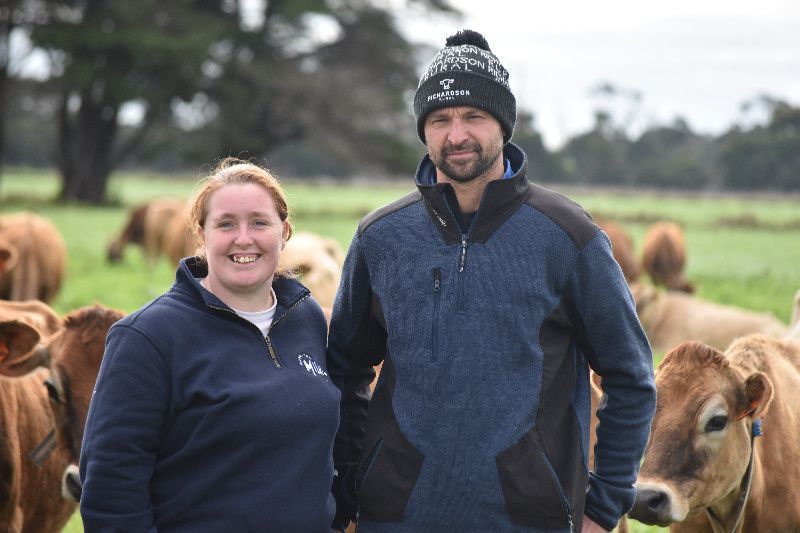
Paraná Dairy Farm Seeks to Raise Daily Output to 5,000 Litres

A farm managed by Antônio Furnanetto, 56, with support from Ronaldo Chavioli, 43, is pursuing higher output in Mandaguari, in the Brazilian state of Paraná. Furnanetto has run the property for roughly a decade, while Chavioli has lived and worked there for five years and oversees feeding activities. The operation combines confined and semi-confined cattle systems, its own feed production and refrigerated milk storage.
Mandaguari was once home to a larger dairy industry. Much of the milk produced locally was collected and processed by the former Mandaguari Dairy Cooperative, known as Colari. The sector later contracted as larger producers left the area and the cooperative moved its operations to Londrina. Specialised dairy farms remain part of the local agricultural economy.
The farm currently produces approximately 3,000 litres each day and has set a target of 5,000 litres. Cows are milked mechanically twice daily, with an interval of about 12 hours. Stainless-steel equipment transfers the milk directly to a chilled tank, limiting manual handling before collection. Volpato dairy, based in Arapongas, picks up the milk every two days for processing.
The producers are assessing whether to add a third milking session. That arrangement would shorten the gap between sessions to about eight hours. The decision is being considered in relation to output, available labour, animal welfare, equipment capacity and operating expenses. Refrigeration, hygienic handling and collection capacity are part of the farm’s requirements as production changes.
The herd is predominantly Holstein, a breed used widely in commercial milk production. The farm is also considering Jersey cattle. Jerseys generally yield less milk by volume than Holsteins, but their milk commonly has higher levels of fat and protein, characteristics relevant to some dairy-processing uses. The effect of introducing the breed would depend on breeding choices, feeding costs, payment arrangements and the processor’s requirements.
Feed is prepared with advice from an animal nutrition specialist. The ration includes maize silage, concentrates, haylage and hay, with much of it produced on the property. Maize is harvested, chopped and stored in silos. Farm workers handle feeding, milking, cleaning, animal observation and equipment, while relatives help with calves and sanitation and extra day labourers are brought in when needed. The producers report that heat, cold and uneven rainfall can affect animal comfort and milk yield; housing, water, feed supply and ventilation are maintained as part of daily care.