Paraíba Has 30 Certified Artisanal Cheeses, but Sales Are Unknown
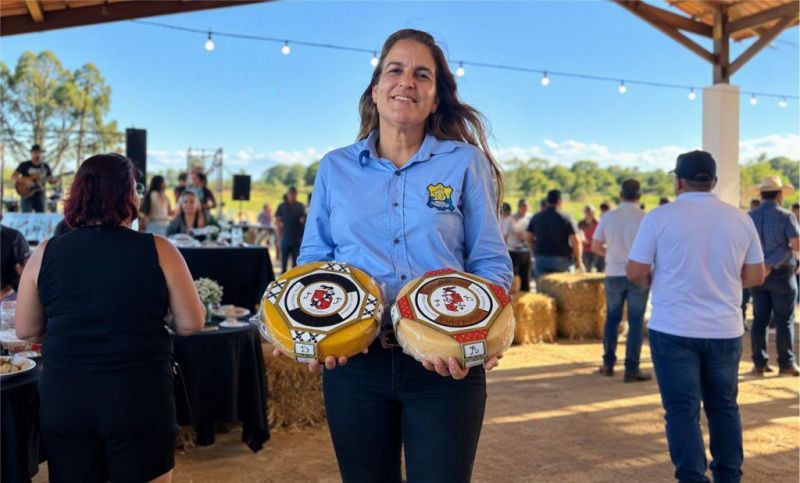
Data from Brazil’s Ministry of Agriculture and Livestock, updated on September 14th 2026, record 30 Paraíba products in the National Registry of Artisanal Products. All carry certifications that allow their producers to sell anywhere in Brazil. The products are made by establishments in Soledade, Barra de São Miguel, Sumé and Taperoá, in the state’s Cariri and highland regions.
The registry divides the products between two national certifications. Seventeen carry the Artisanal Cheese Seal and 13 carry the ARTE Seal. The 17 products in the first group are all made by Agro Maracajá, which sells them under the Caprinno brand in Soledade. They use both goat’s and cow’s milk and include versions made with cumaru, fine herbs and oregano, as well as aged, marinated and lactose-free cheeses.
The 13 ARTE-certified products are distributed among three producers. Almost all use goat’s milk. The exception is Serra do Pico, a cow’s-milk cheese produced by Fazenda Carnaúba in Taperoá. Agubel, based in Sumé, has five active registrations, all granted in 2026. They cover goat’s-milk coalho cheese in traditional, oregano, chilli, rosemary and cinnamon versions.
Paraíba’s figures are higher than Ceará’s within the two certification categories. Ceará has five ARTE-registered cheeses, all made by one establishment in Limoeiro do Norte: one coalho cheese and four aged products. It has no active listing under the Artisanal Cheese Seal.
The comparison does not represent the full cheese industries of either state. Federal inspection and sanitary-equivalence systems between states are separate routes to formalisation and are not included in the count. Ceará is Brazil’s second-largest dairy-producing centre in the Northeast, with more than 100,000 milk producers and gross production valued at R$2.32bn, according to a report cited in the source. That report said most artisanal cheese dairies in Ceará’s hinterland were either limited to local sales or operating informally.
The Paraíba registry provides no figures for revenue, sales volumes, employment, destination states or the share of the state’s goat and cow milk used in certified artisanal cheese. It also does not show whether certification led to increased sales or served only as regulatory authorisation. Further information would be needed on the number of dairies operating in Paraíba, the distribution of production between goat’s and cow’s milk, the municipalities where activity is concentrated, and the share of milk sold as raw material or converted into products such as cheese, butter and sweets.