Nutritionists Assess Oat, Coconut and Soy Milk
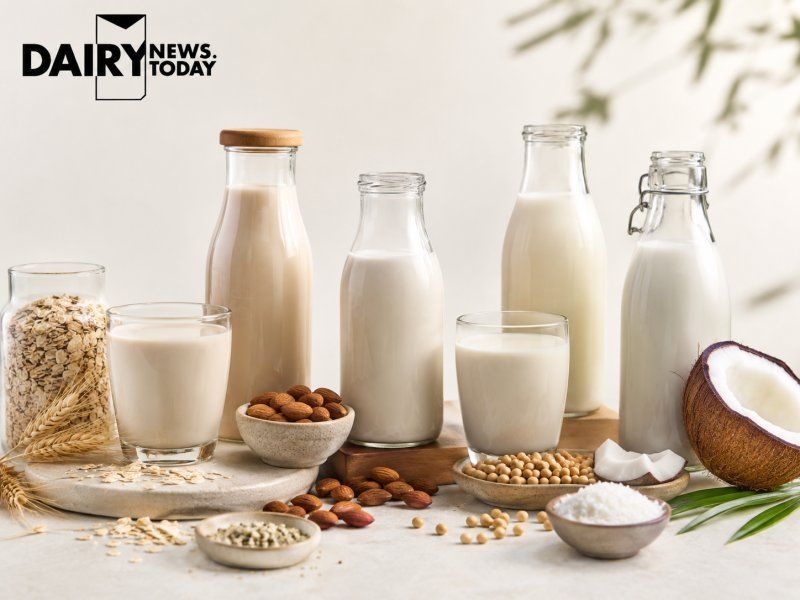
The market includes products made from oats, coconuts, soybeans, almonds, peas, rice and other plants. Michael McKinney, a physician and certified nutritionist, said plant-based milks are generally lower in calories and saturated fat than dairy milk. Many are fortified with calcium and vitamin D, and they provide an option for the estimated 30m to 50m Americans who are lactose intolerant. McKinney also noted that these products contain no cholesterol and are made without animal enzymes.
Oat milk
Oat milk has become widely used because of its creamy texture and naturally sweet flavour. George Yang, a registered dietitian nutritionist, said its fats are mainly unsaturated and that its complex carbohydrates can provide sustained energy. He also linked its fibre content with satiety and the growth of beneficial gut bacteria.
McKinney identified beta-glucan in oat milk as a potential benefit for people concerned with cardiovascular health because the fibre can help reduce cholesterol. Trista Best, a registered dietitian at Balance One Supplements, said that regularly replacing cow’s milk with oat milk could be associated with lower mucus production, improved immune health and fewer inflammatory or gastrointestinal problems. Oat milk has also faced online criticism over ingredients such as rapeseed oil, although the article reports that nutrition experts did not describe those ingredients as toxic.
Coconut milk
Coconut milk has long been used in parts of Southeast Asia and has gained ground as a dairy-free product in the United States. Sales rose by 12.6% in the US in the latest data cited. Registered nutritionist Krutika Nanavati said the product contains vitamin C, iron and potassium, while some studies have examined possible anti-inflammatory properties.
Nanavati described coconut milk as a source of medium-chain triglycerides, a form of saturated fat that the body processes differently from long-chain saturated fats. She said these fats may provide a rapid energy source and may have implications for metabolism and weight management. Amie Alexander, an accredited dietitian at Nutri Peak, said coconut milk’s low carbohydrate content makes it suitable for low-carbohydrate and ketogenic diets. McKinney also referred to its lauric acid content and its use in both drinks and vegan or paleo cooking.
Soy milk
Soy milk has been consumed in East Asia for centuries and is one of the few plant-based milks that supplies all nine essential amino acids. Kassidy Johnson, a registered dietitian and elite track athlete, said fortified soy milk is the plant-based option most similar nutritionally to cow’s milk and is recognised by the Dietary Guidelines for Americans as meeting dairy requirements.
According to Johnson, an eight-ounce serving of unsweetened fortified soy milk contains about 90 calories and 7 grams of protein, as well as amounts of calcium, vitamin A and vitamin D comparable with those in cow’s milk. It can also provide potassium, magnesium and vitamin B12. Soy milk contains isoflavones, which have been associated with heart health and bone strength. Other alternatives include almond milk, valued for its low calorie content and vitamin E; rice milk, used by some people with multiple food sensitivities; and pea milk, which provides all nine essential amino acids and is suitable for people avoiding nuts, soy or gluten. Macadamia, hazelnut, pistachio, buckwheat and potato milks are also available.