New Zealand Tightens Dairy Cattle Welfare Standards
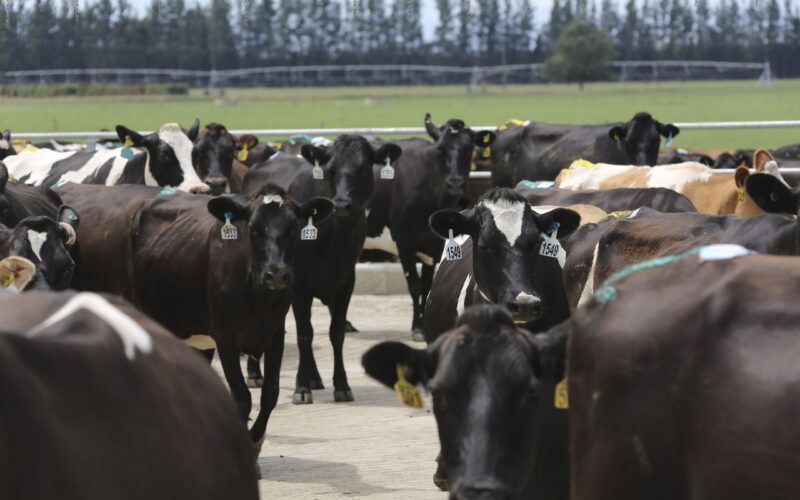
New Zealand’s revised Code of Welfare for dairy cattle sets mandatory minimum requirements for replacement-stock management, livestock transport and animal-handling practices. The statutory framework is due to take effect on April 19, 2027, following a review conducted over several years.
The updated code changes the requirements for newborn calves. During their first 14 days, they must be given milk or milk replacer at least twice daily. Farms will need to organise labour, housing and liquid-feeding procedures around the concentrated spring calving period. The rules also increase oversight of colostrum administration, requiring operators to ensure that replacement heifers and surplus bobby calves receive adequate early immune protection within specified time limits.
Transport rules will apply a defined body-condition threshold. A dairy animal scoring 3 or less on the standard 10-point scale may not be moved off the farm without veterinary certification. The provision covers cows considered unsuitable for transport to commercial processors. Farm managers may instead use drying-off procedures, provide additional nutrition or arrange humane euthanasia on the farm, depending on the animal’s condition.
The code also addresses equipment and methods used to manage herds. Officials are preparing consultations on possible rules against tethering dairy cattle. They are separately examining the routine use of electrified backing gates to move milking groups through collection yards.
Technical guidance has been added for electronic collars and other wearable devices used to monitor cows. The guidance covers systems that track rumination and heat, with attention to whether the equipment causes skin abrasion or other welfare problems.
Industry organisations and primary processing co-operatives are providing technical advice to suppliers during the transition period. The source reports that most commercial dairy farms already meet the main requirements. It also says that enforceable welfare standards are intended to support the market position of New Zealand’s pasture-based dairy exports as overseas buyers seek audited ethical traceability and as exporters face non-tariff requirements in premium markets.