New Zealand Farmers Increase Dairy-Beef Breeding to 12%
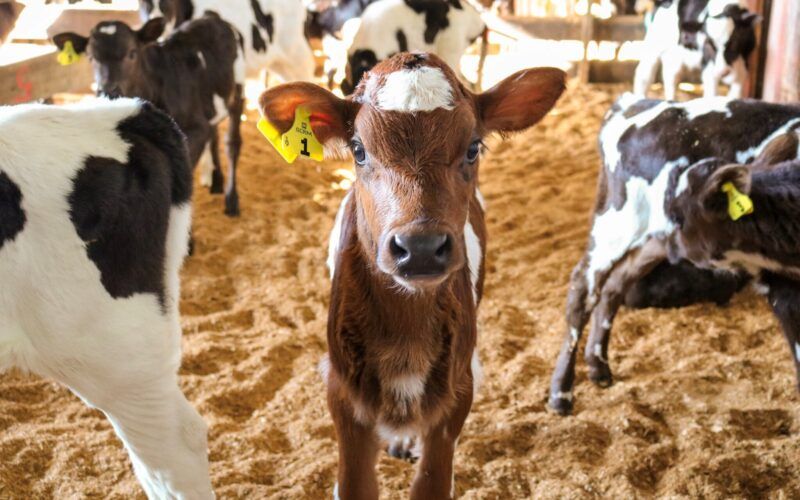
New Zealand dairy farmers are incorporating beef breeding more deliberately into seasonal mating programmes. Beef-on-dairy inseminations, once mainly used late in the mating period, now represent about 12% of all dairy inseminations nationwide, according to breeding company CRV.
Peter van Elzakker, CRV’s manager of grass-fed genetics, said the change reflected farmers’ ability to identify value at the farm gate. Herd information, genomic testing and tools such as myDNA are being used to divide cows according to their breeding role rather than treating non-replacement calves uniformly.
Farmers are applying sexed dairy semen to the highest-performing genetic quartile to produce dairy replacements. They are breeding the lower 25% to 50% of the herd with terminal beef genetics, with the aim of producing calves for commercial beef production. This approach allows dairy operators to select replacement mothers and beef-mated cows within the same herd.
Criteria for choosing beef sires have also expanded. Calving ease, low birth weight and short gestation remain necessary characteristics for dairy farms. Producers are additionally assessing terminal traits, including growth at 400 and 600 days, to measure the later performance of the resulting calves.
Van Elzakker said breeding decisions should reflect how farmers intend to sell or rear the animals. Options include raising calves on the farm, selling weaned cattle through auction yards, or supplying beef finishers under forward contracts. Matching sire genetics to the requirements of the next buyer has enabled farms to receive cash premiums for four-day-old and weaned calves.
The dairy-beef system also forms part of wider discussions about calf supply and animal welfare in New Zealand’s pastoral sector. Converting surplus dairy animals into beef animals is intended to reduce concerns about bobby-calf numbers and support domestic beef throughput while global cattle inventories remain tight. The use of sexed semen together with targeted beef genetics is linking dairy production more closely with commercial beef supply chains.