New Zealand Dairy Farmers Invest More in Animal Housing
New Zealand dairy farms are using off-paddock facilities more often as farmers seek to manage the effects of wet conditions on land and livestock. The investments include enclosed animal housing, covered barns, composting barns and systems for storing effluent. The country’s pasture-based production model remains central, while housing provides an alternative when grazing areas are vulnerable.
Environmental rules concerning freshwater quality are one factor behind the change. During heavy rain, saturated soils can be damaged by livestock movement. Large herds on wet paddocks can compact the soil, harm pasture and carry nutrients into nearby waterways. Moving cattle temporarily into dedicated facilities reduces traffic on those fields. Housing also enables manure to be held in dry bedding packs or effluent stores, rather than being lost through runoff.
The material collected in these systems can later be composted or returned to farmland as a source of nutrients. Farmers can apply it when growing conditions are more suitable, supporting soil fertility and reducing reliance on nutrients bought from outside the farm. Composting barns therefore combine waste management with the production of an organic soil amendment.
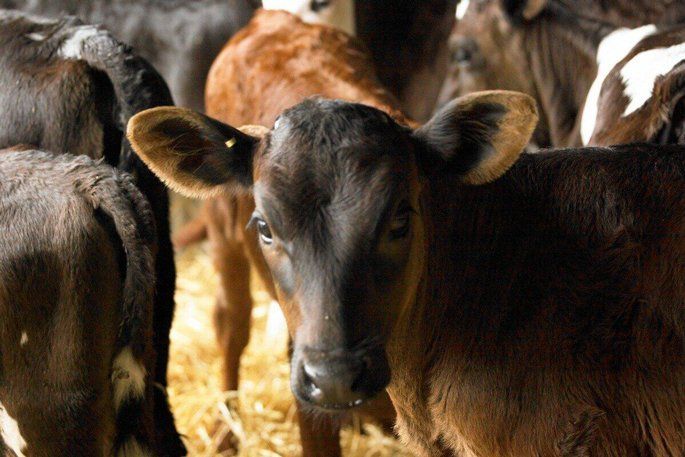
Animal comfort is another consideration in the design of the facilities. Covered buildings and composting systems can shelter cattle from prolonged rain, cold winds and periods of intense summer heat. A more stable environment can reduce the energy animals use to cope with weather stress. Farmers using modern housing have reported lower somatic cell counts, fewer cases of lameness and better calf health. Improved comfort has also been associated with higher milk-solids output per animal.
Temporary housing can help farmers protect grazing land through wet winters. Cattle can remain off damaged paddocks while pasture recovers, allowing producers to extend grazing rotations and make greater use of home-grown forage after conditions improve. Housing may also reduce feed losses during poor weather because farmers have more control over the distribution of winter feed. Better animal health can lower veterinary and treatment costs, including those linked to lameness and udder problems.
The financial case for new infrastructure has been supported by higher farmgate milk payouts and more stable interest rates. Improved milk returns can strengthen cash flow, while financing conditions affect decisions on large capital projects. Large-span steel barns, bedding systems, composting facilities and effluent-storage infrastructure require substantial initial spending. Farmers assess those costs against potential savings from lower feed wastage, reduced health expenses, improved pasture use and more effective nutrient management.
The expansion of housing is part of a wider investment in systems for animal monitoring, feed management, waste handling and farm operations. Before committing capital, producers consider herd size, milk prices, feed availability, borrowing costs, local environmental requirements and expected productivity gains. For larger farms, covered housing and off-paddock systems offer additional control over cattle and grazing areas without replacing pasture-based production. The facilities are being incorporated into farm planning as producers address productivity, environmental protection and animal welfare together.