New dairy cooperatives in India add 91,000kg to daily milk collection
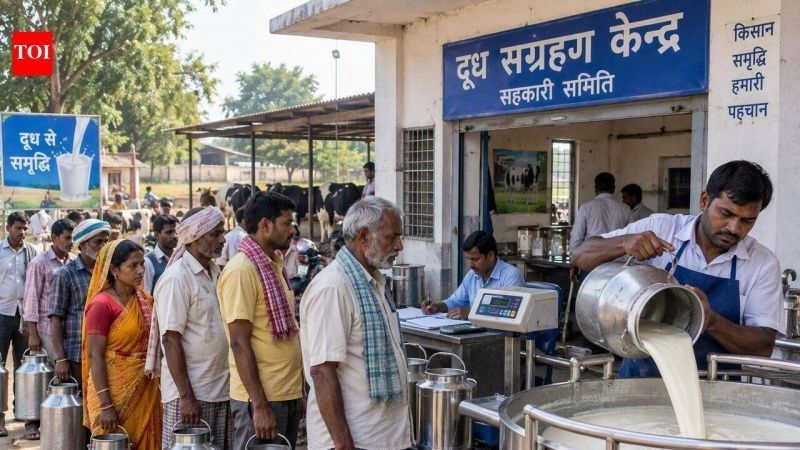
The expansion was detailed in a release from Bihar’s Information and Public Relations Department (IPRD). The Bihar State Milk Cooperative Federation Ltd (COMFED) is establishing the societies under the Department of Dairy, Fisheries and Animal Resources. The initiative is intended to extend the Sudha dairy network, give rural producers greater access to organised markets and support earnings through cooperative procurement.
Average daily milk collection in Bihar now stands at 2.5 million litres, about 300,000 litres above the previous year’s daily average. The state government attributed the increase to the addition of cooperative societies and the start of operations at new procurement units. COMFED aims to give farmers more regular outlets for their milk by extending its collection network to additional villages.
A separate part of the expansion involves setting up Jeevika-Sudha sales centres throughout Bihar’s 8,053 panchayats. COMFED is pursuing this programme under the state government’s Saat Nischay-3 initiative. The planned outlets are intended to make Sudha products more widely available and connect rural producers and communities with consumer markets.
The retail programme also provides for the selection of Sudha Sakhis in panchayats, with training to be offered through the Prime Minister’s Internship Scheme. This component is intended to increase local participation in dairy activities and create opportunities in product retailing and distribution.
Bihar is also introducing data processor-based milk collection units, known as DPMCUs. These systems are designed to improve measurements of both the volume and quality of milk delivered by producers, making procurement records more accurate and transparent. Milk quantity and quality can determine the payments farmers receive.
The digital collection initiative is also intended to enable payments directly into farmers’ bank accounts. Its stated objectives include greater accountability, fewer discrepancies in procurement records and clearer transaction information for producers. Collection data can also help cooperative organisations track the volume procured and manage milk movements through their supply networks.