New Zealand Surpasses Australia in Dairy Production Amid Shifting Policies
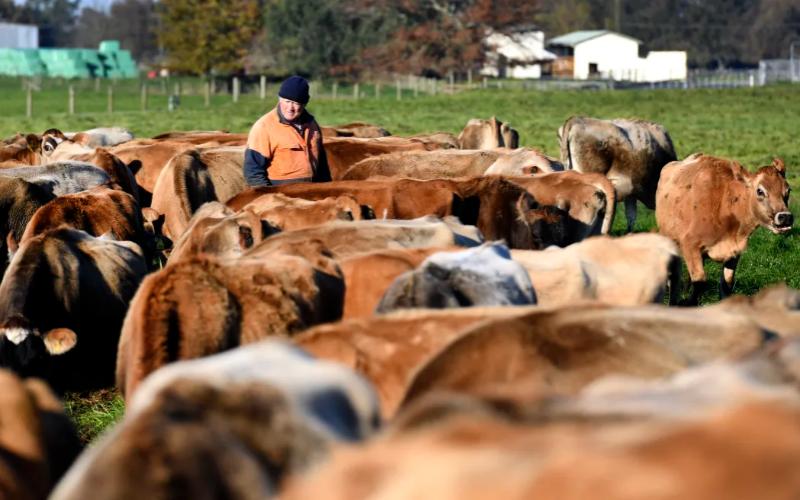
In a significant development in the dairy industry, New Zealand has surpassed Australia in terms of dairy production. This shift is attributed to various factors including changes in climate, policy decisions, and production strategies on both sides of the Tasman Sea.
Over recent years, New Zealand has expanded its dairy production, while Australia has seen a contraction in its output. This reversal of fortunes has reshaped the landscape of dairy farming in both countries, impacting the number of farms and their operational strategies.
Policy outcomes have played a crucial role in this transition. New Zealand's dairy industry has benefited fr om favorable governmental policies, which have encouraged growth and expansion. On the other hand, Australia has faced challenges such as rising production costs and regulatory pressures, which have contributed to its decline in dairy output.
The climatic conditions have also been a significant factor. New Zealand's climate has been more conducive to dairy farming compared to Australia, wh ere droughts and other adverse weather conditions have hindered production capabilities.
This development represents a major shift in the dairy sector dynamics between the two countries, highlighting the importance of adaptive strategies in the face of changing environmental and economic conditions.