NDDB launches three milk-adulteration testing kits for consumers
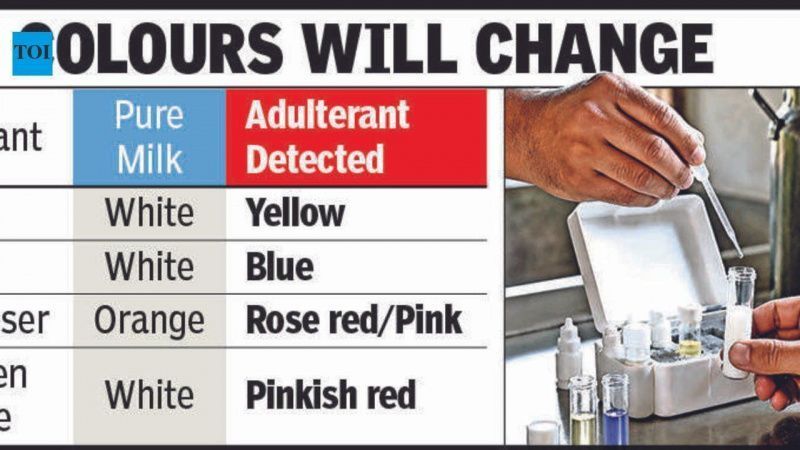
The National Dairy Development Board (NDDB) unveiled the products at its headquarters in Anand, Gujarat, alongside other initiatives for the dairy sector. The kits use colour-changing chemical reactions: users mix a small milk sample with specified reagents and compare the resulting colour to identify whether particular substances are present.
The household, or small, kit tests for urea, starch and cereal flours, neutralisers, and hydrogen peroxide. It contains five tests for each category, giving it a total capacity of 20 tests. NDDB has set its price at Rs 241, and its compact format is intended for domestic screening.
Results take from one second to five minutes, depending on the substance being examined. The medium kit covers urea, starch, neutralisers, salt and sugar. It provides 100 tests for each of those five categories, or 500 tests altogether, for broader testing requirements.
The large kit is intended for more extensive milk-quality checks. It covers nine categories: urea; ammonia and nitrate fertilisers; starch and cereal flours; sugar or sucrose; glucose; salt; neutralisers; and hydrogen peroxide. NDDB did not specify a total test capacity for this version.
NDDB developed the kits, while its wholly owned subsidiary, NDDB CALF Ltd, will manufacture them. The organisation described the products as portable and simple to use, and said they include an updated colour-comparison chart. Every production batch will undergo performance testing and carry a QR code linked to its batch-verification report. The kits have a nine-month shelf life when kept in ambient conditions.
Rajiv Ranjan Singh, the Union minister for fisheries, animal husbandry and dairying, launched the kits with other dairy-sector projects. Singh, also known as Lalan Singh, called for their large-scale implementation and commercialisation, with particular reference to milk testing at grassroots locations and collection points.
NDDB chairman Meenesh Shah said the measures formed part of the organisation’s work to make dairying safer, more efficient, transparent and modern. He also referred to collaboration with state governments and milk unions to create dairy cooperatives and reinforce existing ones under White Revolution 2.0. Other products presented at the event included 10-gram butter chiplets from Mother Dairy, a battery-powered 300-litre mobile milk-collection and cooling unit developed by NDDB and made by IDMC Ltd, and DARPAN, an integrated document-management system being implemented at NDDB. The mobile unit combines rural milk collection with weighing, quality testing and receipt generation, and includes internet-of-things monitoring.