Nadec Expands Protein Operations as Third-Quarter Profit Falls
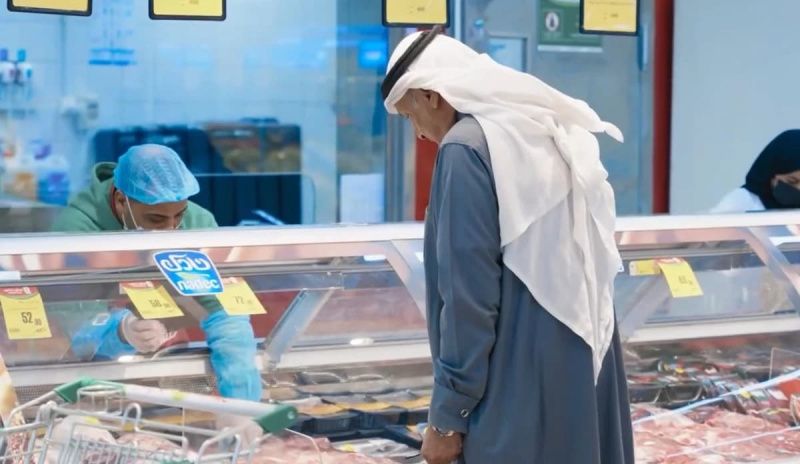
Saudi Arabia’s Nadec is seeking to diversify its revenue sources by expanding in food products, with a focus on protein and packaged red meat, chief executive Suleiman Al-Tuwaijri told Al Eqtisadiah. The company is also working to improve operating efficiency and limit the effect of higher production and shipping costs on profitability.
Revenue increased by 7.8% in the third quarter, supported by growth in protein and improved performance in dairy and food manufacturing. Exceptional increases in feed, freight and additional sea charges amounted to about 56m riyals during the quarter, according to Al-Tuwaijri. Nadec is seeking to convert revenue growth into stronger profitability and cash flow through higher productivity, tighter cost and inventory management, greater use of existing assets and expansion into higher-value products.
Protein revenue doubled in the third quarter from the same period a year earlier. For the first nine months of the year, the segment’s revenue rose by 69.1%, bringing its share of Nadec’s total revenue to about 14%. The company plans to increase that contribution through expanded production and the development of packaged and retail-ready meat, although Al-Tuwaijri did not give a specific target.
Nadec has started operating a red-meat abattoir in Haradh and acquired full ownership of Al-Rai National Livestock Company, strengthening its sheep and goat activities. It is working with Hilton Foods on meat processing, cutting and packaging before introducing consumer products under the Nadec brand. The partnership combines Nadec’s livestock operations, local distribution network and brand with Hilton Foods’ expertise in red-meat preparation and retail products.
The company’s net profit declined to 30.4m riyals in the third quarter from 110.67m riyals a year earlier. Al-Tuwaijri attributed the weaker result to higher costs for feed, nutritional materials, freight and additional sea charges, as well as a 12.90% increase in selling and marketing expenses caused by higher distribution costs and lower murabaha income. He said Nadec was improving production-line productivity, demand planning, distribution routes, inventory and working-capital management, while seeking to reduce waste and returns.
Al-Tuwaijri said the move from live animals and basic cuts to packaged, retail-ready products would allow Nadec to take part in more stages of the value chain. Modern retailers, including supermarkets and hypermarkets, are expected to be an important launch channel, while the company is also developing e-commerce distribution. He said digital sales require logistics capable of preserving meat quality and the cold chain until delivery. Nadec intends to expand gradually according to demand and operational readiness, with initial attention on the Saudi market and possible later opportunities in Gulf markets.
The dairy and food-manufacturing division remains Nadec’s main business, accounting for about 80% of revenue and including fresh and long-life dairy, juices and other food products. Agriculture accounts for the remainder; the company is developing fruit and vegetable production using modern technology and greenhouses, although agricultural sales have recently declined. Investments in Ha’il, Haradh, Wadi Al-Dawasir and Al-Jouf are intended to expand domestic production and food-supply chains. Al-Tuwaijri said the company’s red-meat and agricultural projects form part of its effort to develop local production capacity and support food security in Saudi Arabia.