Larisa Sapun’s Russian creamery produces halloumi, stracciatella and gorgonzola
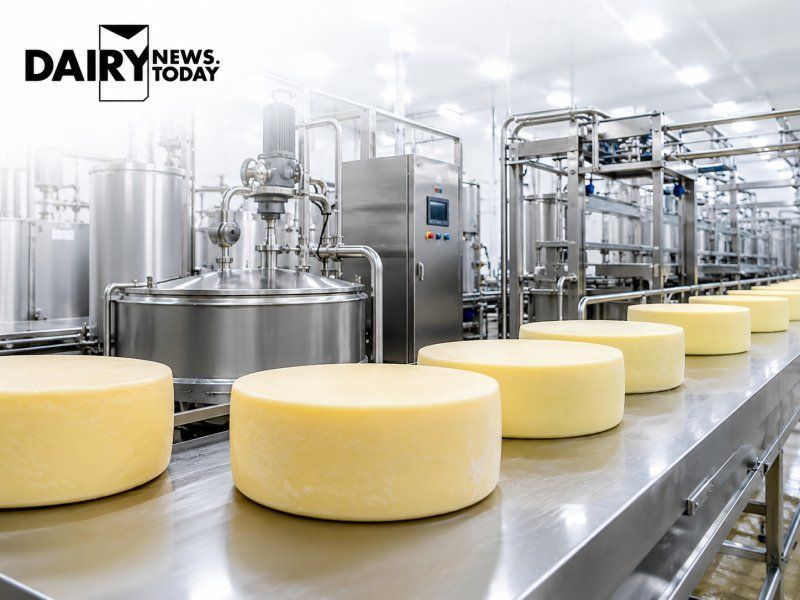
Larisa Sapun is among these producers. Her creamery makes cheese in small batches, with most operations performed by hand. Alongside halloumi, stracciatella and gorgonzola, its range includes caciotta, ricotta and other cheeses. Production encompasses both fresh products and varieties requiring additional processing and carefully maintained moderate temperatures.
The production process begins with pasteurization, followed by the addition of starter cultures to the milk, shaping, salting and aging. Small batches allow the cheesemakers to monitor individual stages and adjust operating parameters when necessary. Particular attention is paid to the quality of the raw milk and strict adherence to production techniques.
The expansion of the region’s cheese range is accompanied by experiments with ingredients and aging. Producers add herbs and spices, select aging methods and take account of the characteristics of the available milk. Alongside mastering European recipes, they create their own versions using regional raw materials.
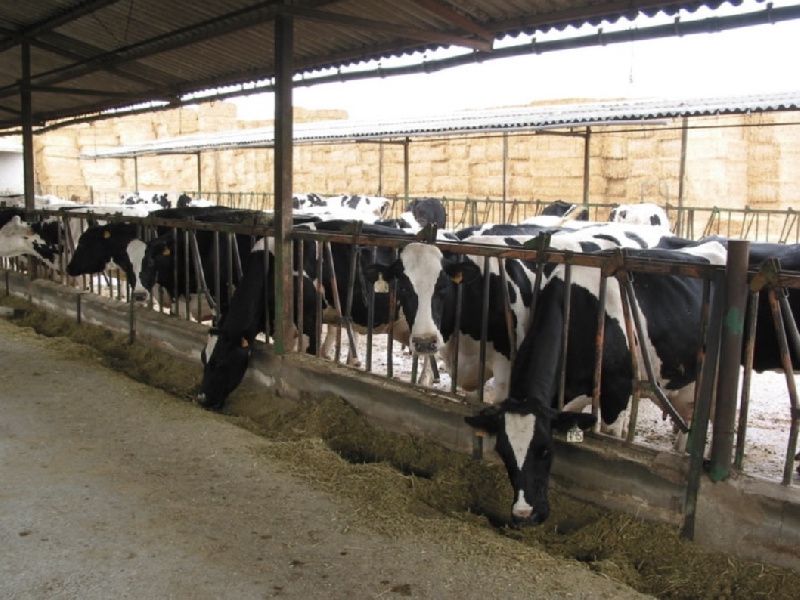
Kuban has a well-developed agricultural sector and substantial milk production. Small creameries generate additional demand for farm-produced milk and process it within the region. Their work increases the value added within the region and broadens the choice of local products available to consumers.
Artisanal cheesemaking is becoming part of Kuban’s agrifood sector and gastronomic economy. The production of local equivalents of cheeses previously supplied mainly by foreign brands is accompanied by closer ties between processors and farms. More domestically produced products made to generally accepted standards are becoming available for sale.
To promote their cheeses, producers use social media, organize tastings and showcase their products at trade exhibitions and festivals. This interaction with consumers introduces them to local brands and the work of the artisans responsible for the quality of the cheeses.