Mother Dairy: curd growth reaches around 25% after new variants
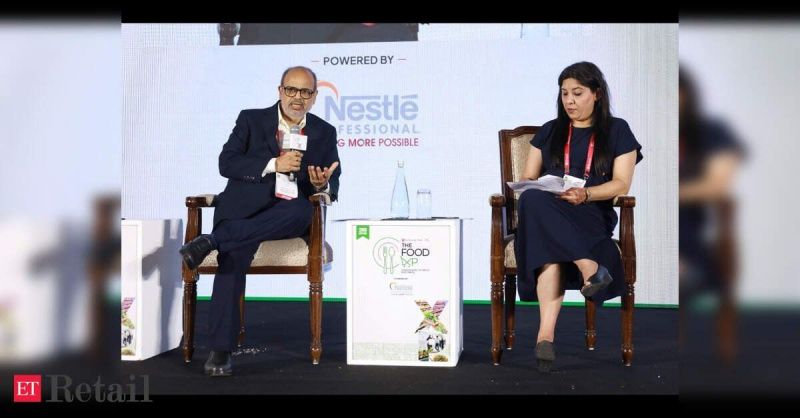
Chary, managing director of Mother Dairy Fruit & Vegetable, spoke at the second edition of ET FoodXP during a discussion on changing Indian consumption patterns. The session considered how food businesses are responding to consumers’ expectations on price, nutritional value, convenience and differentiation. His assessment of the dairy market encompassed both competitively priced everyday products and specialised offerings aimed at particular dietary or lifestyle preferences. He argued that businesses would need to cater to several customer groups, rather than base their plans on an across-the-board move towards either cheaper goods or premium alternatives.
Dairy purchasing patterns differ with household income, age, geography and lifestyle, Chary said. A shopper may look for a low price in one category but spend more in another when the additional benefit is worth the cost. Everyday staples remain price-sensitive, while products offering more protein, better taste or greater convenience also attract interest. These changes extend to tier-two and tier-three cities, where aspirations and consumption habits are evolving alongside those in metropolitan areas. Chary described opportunities for organised dairy businesses to reach these customers through products suited to differing regional and demographic needs, while retaining broad accessibility.
Keeping nutrition within consumers’ financial reach remains a priority for Mother Dairy, according to Chary. He identified dairy as an important nutritional source for Indian households and described a portfolio spanning basic daily requirements and products with additional nutritional attributes. Higher-protein milk forms part of that approach. With greater attention to fitness and protein-rich diets, such products offer a way to obtain more protein through an existing consumption routine. Chary stressed that serving these customers must go alongside supplying affordable milk and other staples to households that depend on them. Price remains important for wider uptake of products developed around health and nutrition.
Chary also addressed A2 milk, which sells at a premium in some parts of the market. He said one constraint on its expansion was the availability of appropriate milk supplies in volumes sufficient for much wider distribution. Scaling up supply is therefore part of the task of serving that demand. Alongside geographic expansion, the discussion considered product development as another route to dairy sales growth. Offerings designed around nutritional, functional or taste preferences can provide additional occasions for consumption within categories that shoppers already know, including conventional drinking milk.
Mother Dairy’s product development also extends to fermented dairy foods. Its additions to the curd range include premium varieties such as probiotic curd. The category is changing as more households buy packaged curd rather than make it themselves, creating demand for convenience, consistency and a wider choice of products. The discussion identified curd, yoghurt and other fermented products as areas in which organised suppliers can broaden their ranges. Mother Dairy’s higher-protein milk similarly adds a differentiated option to an established category, allowing customers to choose an additional nutritional benefit without substantially altering their usual eating or drinking habits.
Taste remains a central consideration even for products marketed on nutritional or functional attributes, Chary said. He cautioned that a premium position or a nutritional claim alone would not ensure lasting consumer acceptance. Shoppers may pay an extra ₹5 when they perceive a worthwhile improvement in taste, quality, nutrition or convenience. In his account, a higher price needs a benefit that customers can recognise and experience, rather than branding alone. That consideration applies to products developed for fitness-minded buyers, premium households and people looking for convenient sources of nutrition, with repeat purchasing dependent on whether consumers find the proposition worthwhile.
The session also examined quick commerce and its relationship with product development and consumption habits. Faster delivery of packaged foods can give brands a way to respond to emerging requirements and improve urban access to differentiated dairy products. The discussion identified several operating requirements for dairy businesses using these channels: products suited to the service, dependable temperature-controlled handling, efficient distribution and quality maintained through delivery. These considerations accompanied the discussion of how companies could meet customers’ expectations as access to packaged food becomes faster.