Modi: India’s agricultural growth stayed above 4% over the past decade
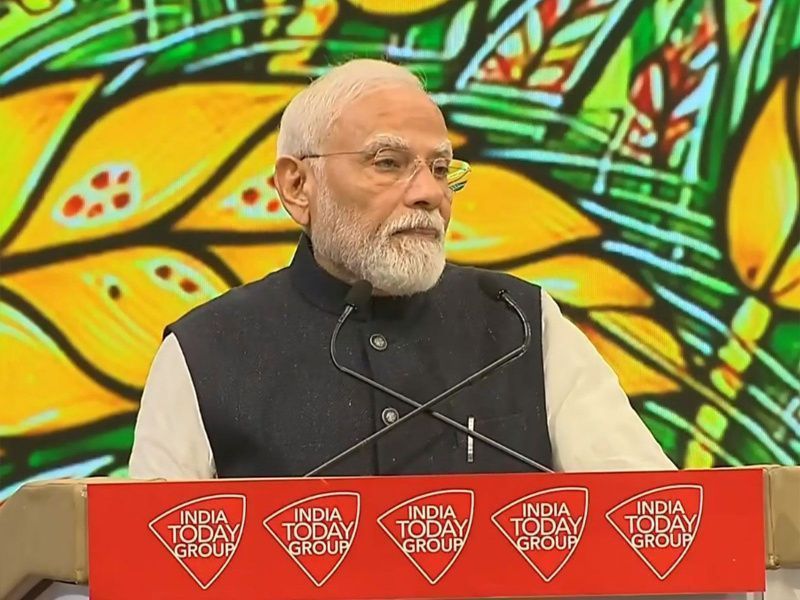
At the conference organised by the India Today Group, Modi described agriculture as central to national development and to India’s cultural and social life. He recalled identifying agriculture as one of seven sources of strength for a developed India in an address from the Red Fort. Developing the country, he said, required improvements in farming and stronger support for farmers.
Modi linked the conference’s timing to the festive season, referring to the recent celebration of Diwali and the Chhath festival. He described Chhath as closely associated with agricultural life and said farming underpinned the country’s traditions. His remarks placed agriculture within both the government’s development agenda and the customs observed during the festivals.
Turning to rural living standards, Modi cited a World Bank poverty study which, he said, found that 500 million Indians had moved out of poverty within 12–13 years. He said the study also recorded a rapid decline in rural poverty, including among small-scale farmers and farm labourers. Modi criticised people focused on news agendas for overlooking the reduction in poverty, particularly in villages.
Annual agricultural exports exceeded 4 trillion rupees, Modi said, adding that these sales were increasing farmers’ incomes. He listed India as the largest producer globally of milk, pulses, jute, rice and millets. He also placed the country second in wheat, cotton, fruit, vegetables and fish production. Modi presented those rankings as evidence of the productive capacity of Indian farmers.
He reported expansion over the preceding decade across dairy farming, poultry and fisheries. Milk output had risen by nearly 70%, egg production by 90%, and fish output had more than doubled, he said. His account of agricultural performance covered these allied activities alongside crop production, with dairy and fisheries among the sectors whose growth he highlighted.
Modi also pointed to beekeeping and horticulture. Honey output had climbed to 150,000 tonnes from 80,000 tonnes, he said, linking opportunities in beekeeping to the Sweet Revolution. Horticultural production had increased from 280 million tonnes to more than 350 million tonnes. He included both activities in his account of the expansion of farming and related businesses over the past decade.
On technology and government programmes, Modi cited PM-KUSUM as enabling farmers to supply energy as well as food. He also highlighted the Namo Drone Didi initiative, saying women participating in the programme were demonstrating the effective use of advanced technology in villages. Both initiatives featured in his remarks on the role of technology and public programmes in changing agricultural practices.