Minas Gerais Surpassed 10bn Litres of Milk and Retained National Leadership
Figures from the Municipal Livestock Survey, compiled by the Brazilian Institute of Geography and Statistics (IBGE), put Minas Gerais’s gross production value for livestock and aquaculture at R$29.7bn in 2025. That represented 21% of Brazil’s total of R$141.1bn. Milk was a major contributor, alongside the state’s performance in pigs, poultry and aquaculture.
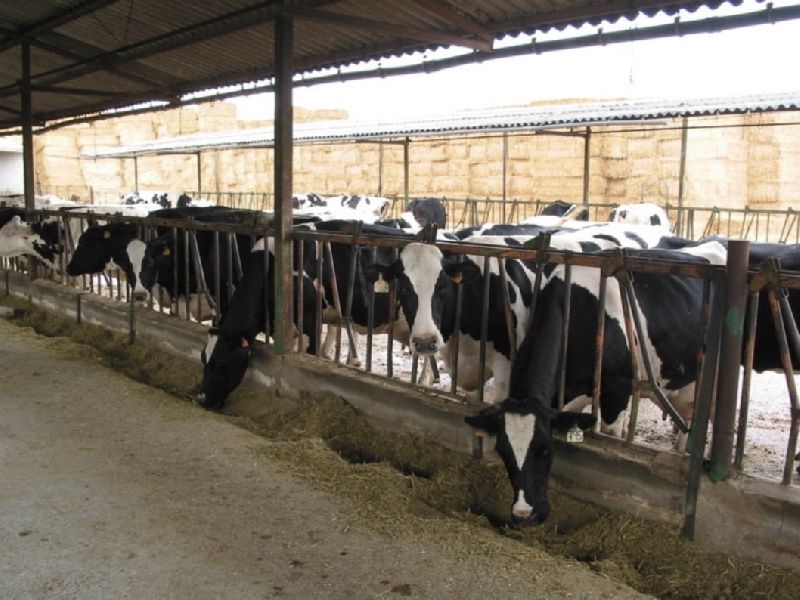
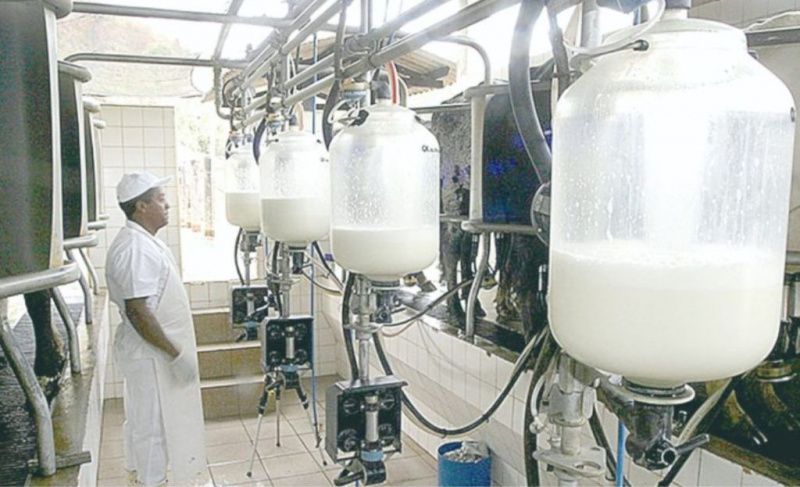
Minas Gerais’s annual milk output passed the 10bn-litre mark for the first time. Mariana Simões, agribusiness manager at Sistema Faemg Senar, said the increase was driven chiefly by higher productivity. She said output had risen by 10% over the past decade even as the number of milked cows fell by 45%, while productivity per animal doubled during that period.
IBGE recorded about 3m milk cows in Minas Gerais in 2025, a decline of 1.4% from the previous year and the lowest level since the survey began. Average production reached 3,398 litres per cow for the year, up 4.42% from 2024. The average price paid to farmers was R$2.49 per litre, unchanged from the previous year.
Simões said efficiency had become necessary for farmers to remain in dairying amid fluctuations in prices and production costs. She described the producers who continued in the sector as highly professional, regardless of the size of their farms. She also said technology was being used in reproduction, nutrition and animal health, including reproductive tools that allow smaller herds to pursue genetic improvement.
Patos de Minas was the state’s leading municipality for milk output among those listed after Castro and Carambeí in Paraná, producing 249.2m litres. It was followed by Patrocínio, with 178.7m litres; Lagoa Formosa, with 161.1m; and Coromandel, with 150.3m. Tatiane Tetzner, a dairy farmer and director of the Brazilian Association of Girolando Breeders, said the breed was present on small, medium-sized and large farms. Production systems in Minas range from extensive grazing to intensive facilities such as compost barns and free-stall units.
Minas Gerais also held 22.1m cattle in 2025, an annual increase of 0.17%, making it Brazil’s fourth-largest cattle herd. Mato Grosso ranked first with 31.6m animals, followed by Pará with 25.6m and Goiás with 22.5m. Minas had the country’s largest horse herd, at 721,420 animals, despite a 7.01% decrease. Its pig herd ranked fourth nationally at 5.8m, while Uberlândia had Brazil’s second-largest municipal pig herd, with 588,000 animals. State pig numbers rose by 1.62%.
Egg production in Minas Gerais increased by 7.55%, and the number of laying hens rose by 8.08%. The state ranked second nationally for chicken eggs, producing 553.2m dozen, and third for hens, with 26.9m birds. It retained first place in both quail numbers, at 2.99m, and quail-egg production, at 63.3m dozen; the quail population grew by 0.03% at the end of 2025.
In farmed fish, Minas Gerais moved from third to fifth place in the national ranking despite a 5.91% increase in output, which reached 64,100 tonnes. Tilapia production in Morada Nova de Minas accounted for 34,000 tonnes. The municipality remained Brazil’s largest producer of farmed fish. Simões said the state’s range of animal and plant activities allowed many farms to diversify their income.