Milk's Role in Muscle Recovery Highlighted by Recent Study

The study analyzed 82 research pieces to evaluate the impact of milk consumption after exercise. It was found that milk contains two unique proteins: whey and casein. Whey protein is quickly digested and absorbed, increasing the concentration of amino acids, which are the building blocks of proteins, in the bloodstream. This process stimulates the secretion of hormones related to satiety, such as GLP-1 and PYY, and helps reduce ghrelin, a hormone linked to hunger.
Casein, on the other hand, is digested more slowly, which prolongs the feeling of fullness after meals. While the effects of milk on body weight control require further investigation, its benefits for muscle recovery are well-supported by existing evidence. Milk offers high-quality proteins, water, and essential minerals crucial for muscle health.
Research indicates that consuming milk post-exercise aids in muscle protein synthesis, replenishes glycogen stores, and contributes to rehydration. Minerals such as sodium, potassium, calcium, and phosphorus play roles in rehydration and metabolic processes related to musculoskeletal health.
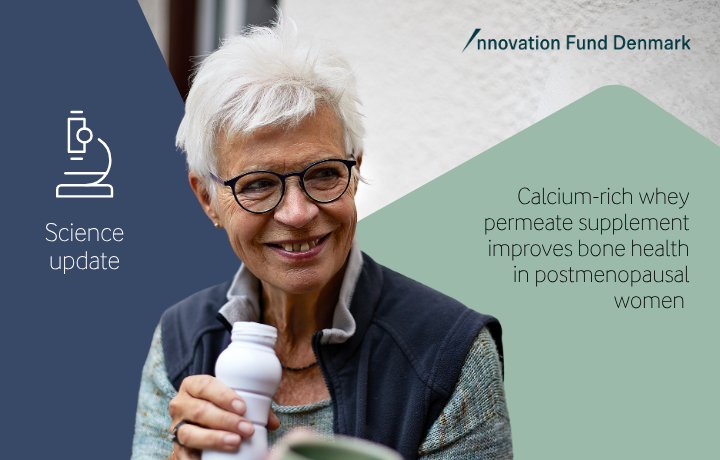
Calcium, specifically, is recognized for its role in bone mineralization. According to endocrinologist Carlos Minanni from the Einstein Israeli Hospital, the benefits of milk extend beyond the individual nutrients. The concept of the 'dairy matrix' is emphasized, highlighting the interaction between various components of milk.
However, exceptions exist for individuals with lactose intolerance or milk protein allergies, who require specific dietary guidance. For others, dairy products can be part of a balanced diet without restrictions. Minanni also notes that no single food can control body weight; it depends on a combination of factors, including overall diet, regular physical activity, sleep quality, and lifestyle habits.