Milk prices in Maharashtra rise around 68% over 12 years
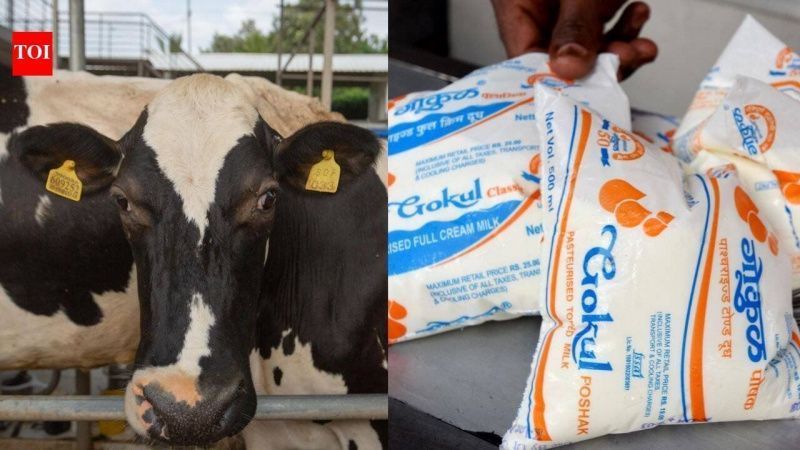
Neighbourhood milk retailers may charge a further Rs 2 a litre for refrigeration and distribution. The increases are affecting middle-income households in urban and semi-urban areas, with some families reviewing grocery spending and considering smaller milk purchases or alternatives to milk-based drinks. Milk remains a regular part of diets, particularly for children and older relatives, making substantial cuts difficult for these households.
Amruta Dhumal, a homemaker in Pune’s Undri area, buys about 23 litres each month. At Rs 78 a litre, her monthly expenditure was approximately Rs 1,800; at Rs 84, it is about Rs 1,940, an increase of roughly Rs 140 for the same quantity. She buys buffalo milk supplied by Kolhapur-based Gokul Dairy. The cooperative’s flagship buffalo milk product cost Rs 50 a litre in 2014.
Farmers are also reporting pressure on their budgets. Sarita Kashid, who farms in Shiye village in Kolhapur district, said feeding cattle absorbs a substantial share of her family’s dairy earnings. Her household drinks milk from its own animals and makes curd and butter, but still faces rising production expenses. Gokul sells a 45kg sack of cattle feed for approximately Rs 1,200. Other dairy suppliers have already raised feed prices, while farmers also face restricted supplies of fodder.
Chetan Narake, a Gokul Dairy director who represents dairy farmers at the Indian Dairy Association in New Delhi, expects further increases in retail milk prices. He said prices could reach Rs 100 a litre by April–May 2027 if prevailing market conditions persist. Narake also raised concerns about the availability and cost of paneer, cheese and ghee from December onwards, citing pressure on supplies of milk fat and solids-not-fat, or SNF.
Narake has called for government support covering fodder distribution, cattle feed and milk procurement. He said he had written to the central government requesting subsidies of Rs 500 for each bag of cattle feed and Rs 5 for every litre of milk. His proposals also include improving the distribution of fodder.
Businesses using milk are watching their expenses as well. Pramod Wakode, chairperson of the Tea and Coffee Association, said vendors were monitoring increases in operating costs, including milk and liquefied petroleum gas. The association represents approximately 6,000 vendors.
In August, the association raised the retail price of tea to Rs 15 a cup after sugar prices reached approximately Rs 70 a kilogram. Sugar has since fallen to around Rs 61 a kilogram. Vendors are waiting to see how their costs develop before deciding whether to revise tea prices again, Wakode said.