Midwest Dairy Producers Adapt Herds as Processing Changes
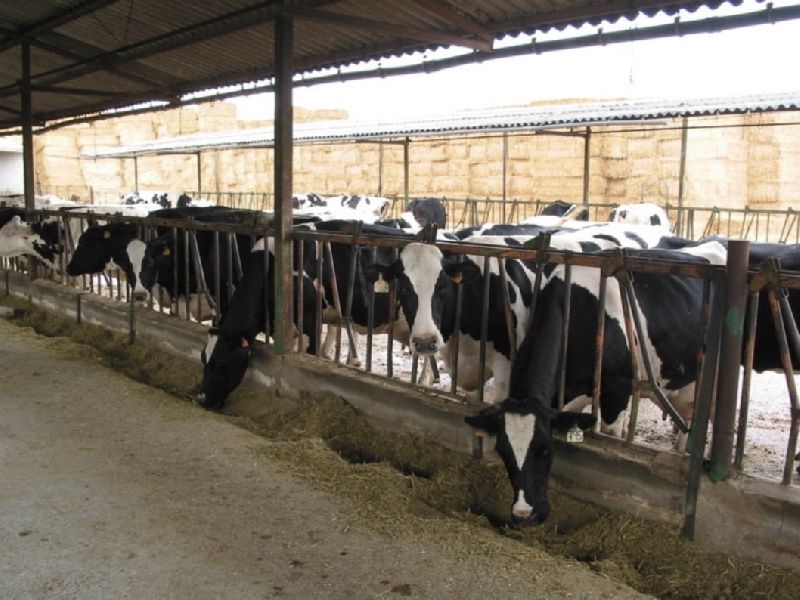
Dairy production in the Upper Midwest is undergoing structural change as farms adjust to shifts in processing capacity, milk marketing and operating costs. Larger operations and productivity improvements are reshaping commercial dairy farming, while multi-generational family businesses are increasing scale to maintain commercial viability.
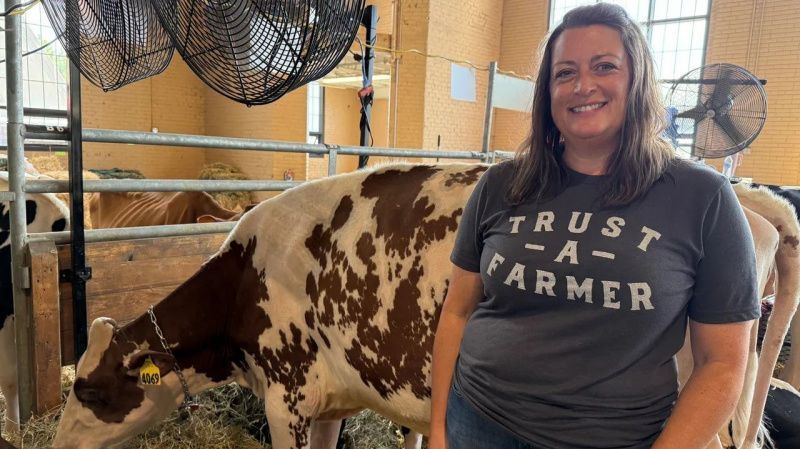
McAndrews Dairy in Sauk Centre, Minnesota, illustrates this development. The farm increased its milking herd from 170 cows in 2006 to 400 registered Holsteins. Across established dairy-producing states, other family farms have also expanded, with typical herd sizes cited in the source rising from about 450 to more than 800 cows over the same period.
Herd expansion has been accompanied by changes in feed and forage management. Producers are selecting corn hybrids and alfalfa varieties for fibre digestibility and dry-matter intake, and they are coordinating crop production with ration formulation. The source states that improved rumen digestibility can raise butterfat and true-protein production, while forage harvesting and feed planning are used to manage feed costs, the largest cash operating expense for commercial dairy farms.
Processing infrastructure is also affecting farm decisions. New cheese plants and ingredient-processing facilities in the Upper Midwest and along the eastern seaboard are changing milk-collection routes and purchasing patterns. These facilities require regular, high-volume supplies of raw milk, creating nearby outlets for producers. Farm expansion remains constrained by water availability, land for nutrient management and access to dependable local forage.
Investment decisions are being made alongside concerns about interest-rate volatility and debt service. Dairy operators are weighing spending on automated milking equipment, larger freestall barns and waste-management systems against working-capital needs. The source notes that farms of different sizes can achieve financial stability when their capital structures correspond to regional marketing opportunities. Management priorities include labour productivity per cow, asset turnover and liquidity during periods of lower commodity milk prices.
Producers are also maintaining relationships with milk buyers and communicating with consumers about dairy farming. McAndrews attended the Minnesota State Fair, where her daughter Mary showed a Red Holstein calf named Frosty for the first time. The source describes livestock exhibitions and other public-education activities as venues for discussing animal welfare, environmental stewardship, water conservation and farm sustainability.