Mexico to open two milk collection centres in Sinaloa by year-end
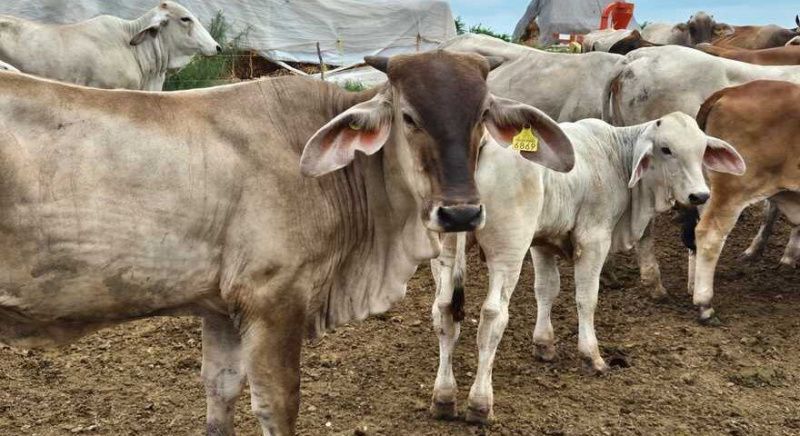
Ismael Bello Esquivel, Sinaloa’s secretary of agriculture and livestock, confirmed that one facility will serve the state’s northern region and the other its south. The northern centre will occupy land belonging to the Asociación Ganadera Local in the municipality of Ahome. Livestock associations and federal authorities will enter into agreements allowing the premises to be used on loan. Milk collected from surrounding production areas will travel to government processing plants in insulated tankers. Construction teams are carrying out electrical and mechanical adaptations and expanding capacity at the collection facilities.
The programme aims to establish a minimum commercial reference price and reduce producers’ dependence on purchasing terms set by middlemen, informal collectors and private cheesemakers. Private pasteurisation businesses in Sinaloa currently pay about 12 pesos per litre, among the highest prices in Mexico, according to the source report from Sector Primario Informativo. The federal programme’s starting price is intended to provide a floor during periods of seasonal surplus. Sinaloa nevertheless has a substantial shortfall in fluid-milk supply relative to demand from its population.
The report also describes competition from dairy substitutes and imitation products made with palm or soya fats and imported dried whey. These products are sold through retail outlets and community grocery shops, competing with fresh cow’s milk. It presents the guaranteed purchasing channel backed by Leche para el Bienestar as a means of reducing reliance on informal intermediaries and improving weekly cash flow. Family-run dairy farms use working capital to pay for veterinary supplies, balanced feed and investment in shared cooling facilities.
Feed accounts for more than 70% of operating expenditure per litre produced on local dairy farms. Rations include ground maize, silage and protein concentrates. Although Sinaloa is one of Mexico’s leading producers of feed grains, its dairy herds have been affected by higher production costs. The report identifies the use of locally produced grain in dairy rations as a way to develop the regional agricultural supply chain and support progress towards food self-sufficiency in north-western Mexico.
The collection network will require milk-handling practices suited to the state’s hot climate. The report specifies forestripping and teat disinfection during either manual or mechanical milking to help control environmental mastitis. After morning milking, raw milk should be transferred promptly into stainless-steel rapid-cooling tanks and maintained at 4°C to limit bacterial growth and rising acidity. Work at the collection centres is intended to preserve the milk’s butterfat, casein and density characteristics before industrial processing. Subsequent treatment includes continuous pasteurisation above 72°C or ultra-high-temperature processing.
Technical oversight of the network will involve Sinaloa’s Secretaría de Agricultura y Ganadería, the management of Leche para el Bienestar and local livestock-development committees. The report identifies transparent supplier registers, efficient collection routes through grazing areas and training for small-scale milk producers as priorities for implementation. Training in good livestock practices is intended to reduce laboratory rejections caused by excessive acidity or antibiotic residues. Coordination among these bodies will also cover the continuing technical supervision needed to operate the public collection network.