Mexico’s Querétaro produces 1,301,400 litres of milk daily
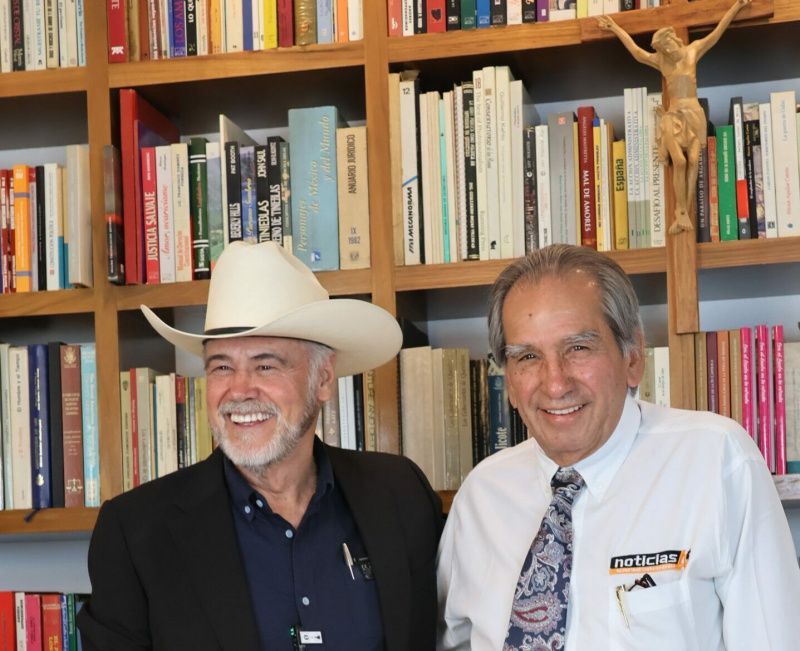
The Unión Ganadera Regional de Querétaro brings together 27 local livestock associations and represents more than 4,500 producers. Moreno highlighted the state’s milk production despite its smaller territory compared with other livestock-producing states. Alongside dairying, Querétaro has a prominent position in poultry meat and pig production. Its livestock businesses supply animal protein to the metropolitan areas of Mexico City and the State of Mexico. Production has been supported by increasing use of technology on farms and animal-health controls throughout the supply chain.
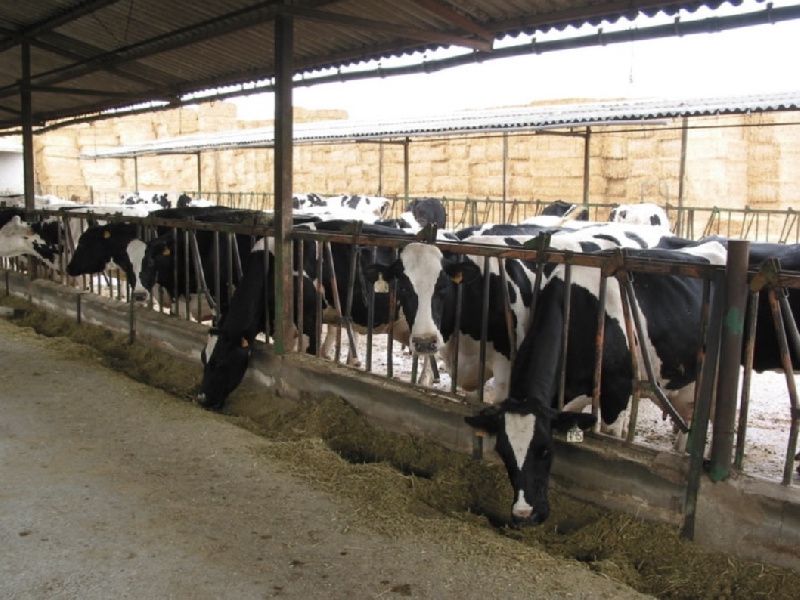
Compliance with animal-welfare and biosecurity protocols is a condition for access to formal supply channels. Large pasteurisation businesses and cheesemakers buying milk from Querétaro conduct regular audits of farm conditions. Their checks cover resting areas, ventilation and milking procedures intended to reduce heat stress in cattle. Mechanised milking facilities and intensive livestock units in the state’s dairy-producing municipalities operate under these requirements.
After milking, raw milk is immediately transferred to rapid-cooling tanks and maintained continuously at 4°C. Cooling at the farm inhibits bacterial growth and limits enzymatic deterioration of milk fat and casein before collection. Insulated tankers then carry the milk to processing lines, where pasteurisation takes place above 72°C. These husbandry and handling practices support low somatic-cell counts and the suitability of the milk for liquid dairy products and dehydrated derivatives.
In supermarkets and neighbourhood shops, cow’s milk competes with blended dairy formulas and drinks containing vegetable fats and dried whey. Farms supplying major national processors use payment arrangements linked to bacterial quality and total solids, rewarding the composition and purity of whole milk. Livestock representatives are calling for stronger technical representation before legislative and government bodies. Their priorities include water-use concessions for livestock, clearer labelling rules and measures addressing milk-powder imports.
Higher prices for protein concentrates, maize silage and mineral supplements are compressing farm margins. The share of expenditure absorbed by feeding leaves limited funds for technology investment and replacement breeding animals. The report describes Querétaro’s institutional stability and rule of law as supporting continued productive investment, contrasting its situation with regions where producers face road insecurity and insufficient government support. It also identifies the disappearance of rural development banking and limited access to readily available concessional credit as obstacles to generational succession and the modernisation of small family herds. Such farms have insufficient working capital to manage adverse weather conditions.
The report identifies closer co-operation among producer associations, animal-health committees and processing plants as a priority for developing higher-value markets. It also calls for the preservation of the state’s animal-health status and further investment in exhibition and training facilities at the Ecocentro Expositor. The proposed role for that venue includes technology transfer, training and livestock business activities throughout the year.
Further engagement with the Congreso de la Unión is another priority outlined in the report. Proposed initiatives would recognise the water requirements of dairy herds and secure funding for national livestock-health programmes. These proposals sit alongside producers’ requests for a greater technical role in government discussions affecting farm operations, market access and dairy regulation.