Mexico’s first Calentano cheese fair brings together producers from three municipalities

The fair took place beneath the Techo Elevado structure in Nocupétaro’s municipal centre, in the Tierra Caliente region. Nocupétaro’s mayor, Gonzalo Nares Gómez, attended alongside Carácuaro’s mayor, Hever Tentory García, and representatives of Sembrando Vida’s territorial coordination office. The officials highlighted the role of such gatherings in promoting the area’s livestock production. Rafaela Velasco Quirarte, a dairy specialist and teacher at the Centro de Bachillerato Tecnológico Agropecuario (CBTA) number 89 in Taretan, conducted the technical and sensory assessment of the cheeses entered.
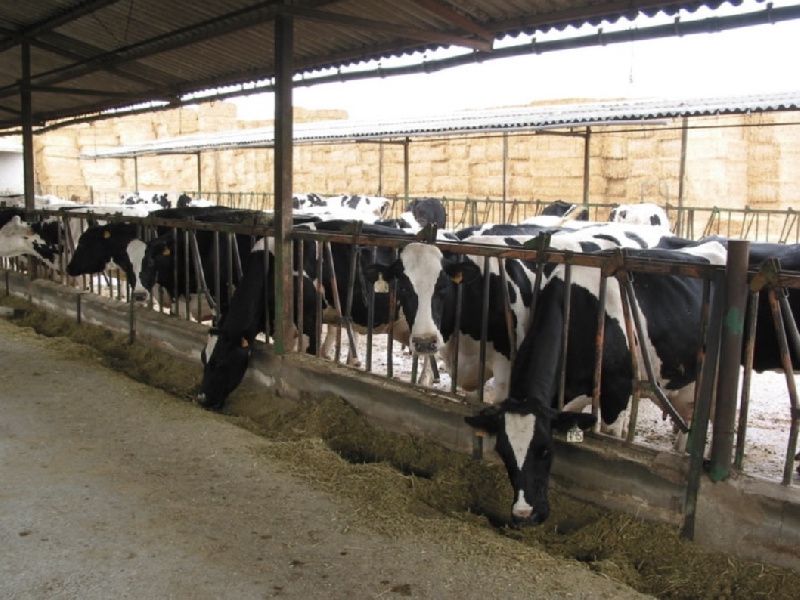
According to the account published by Periódico Siglo Veinte, artisanal Calentano cheese is the principal means of processing and preserving milk produced during the grazing season by the dual-purpose cattle herds of the Balsas basin and Tierra Caliente. The traditional cheese has a pressed body and either a dry or chilli-coated rind. Producing one kilogram requires an average of nine to ten litres of pure cow’s milk. The account describes production using cow’s milk, coarse salt and selected rennets, and identifies nutritional composition, flavour and aroma as characteristics promoted at the fair.
The report sets out processing requirements that include hygienic milking and either slow pasteurisation at 65°C for 30 minutes or a standardised continuous pasteurisation process. These treatments are intended to reduce pathogens while preserving casein proteins. With ambient temperatures in the region frequently exceeding 35°C, it also stresses rapid cooling to 4°C at the milking site and during whey drainage. It links temperature control to the stability of milk-fat globules and the prevention of acetic fermentation that can affect the cheese’s aroma and storage life.
The commercial backdrop includes competition from cheese substitutes sold in supermarkets and urban markets in Michoacán and central Mexico. Periódico Siglo Veinte describes products containing hydrogenated palm fats, modified starches and imported dried whey being marketed under traditional cheese names, confusing buyers. Its account presents local sales channels and connections with the catering and restaurant sector as ways for farming families to obtain remunerative prices for their cheese. Such channels also reduce their reliance on intermediaries paying low farm-gate milk prices.
Feed and transport expenses put pressure on family livestock businesses, particularly in mountainous areas. In Michoacán’s dual-purpose cattle operations, supplementary hay, crop residues and mineral salts account for more than 70% of operating expenditure per litre of milk, according to the report. Seasonal drought further restricts access to natural pasture. Processing milk into fresh cheese, botanero cheese or matured Calentano varieties allows families to retain the processing margin and generate cash for inputs, gas and veterinary medicines used against mastitis and parasites.
The report also identifies technical exchanges at fairs as an opportunity to assess cheese-vat yields and improve the use of whey. Possible outlets include feeding smaller livestock species and incorporating whey into other formulations, rather than discharging it into community streams. For further development of the cheese sector, it calls for support from state livestock-development agencies, agricultural colleges such as the CBTAs and animal-health committees, including work towards certifying herds as free of brucellosis and tuberculosis.
Other measures advocated in the account include food-safety certification and the eventual establishment of a collective mark or geographical indication to protect the product’s authenticity and support sales through specialist shops in Morelia and other cities. It also calls for producers to receive stainless-steel whey-draining tables, food-grade moulds and small refrigerated maturation rooms to improve the microbiological quality of individual batches.