Mexico's cattle herd contracts, official survey shows
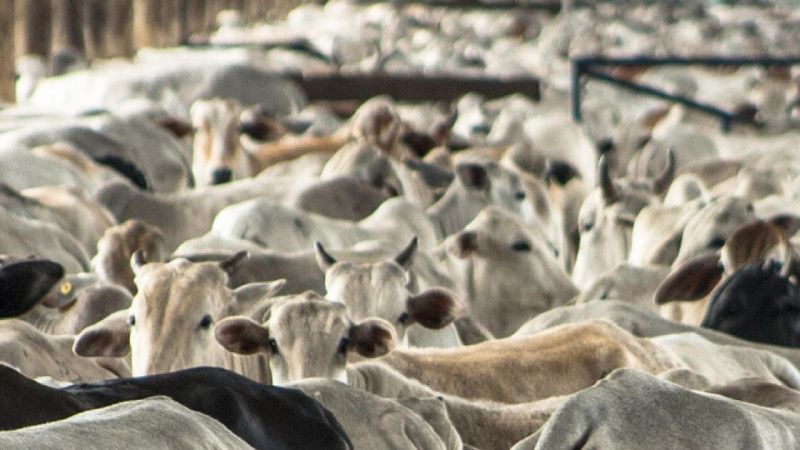
Official results from Mexico's National Agricultural Survey put the national cattle inventory at 24,027,332 head, down from 24,553,565 in the previous census. The same survey counted 2,349,239 cows in active milking at the end of the third quarter. Their average output was 32.9m litres of raw milk per day.
Of that daily volume, 31.9m litres entered commercial markets and processing chains. Farms retained a further 994,000 litres for on-site consumption. The average price paid at the cooling tank was 10.66 pesos per litre.
Eight states accounted for 55.6% of Mexico's cattle inventory, or 13.4m head. The group comprised Veracruz, Jalisco, Durango, Chiapas, Chihuahua, Michoacán, Oaxaca and Tabasco. Their combined share was 54.0% in earlier measurements. The census also identified 9,707,538 breeding cows, 4,113,070 animals intended for feedlot finishing and 713,337 registered bulls.
Dairy production uses different systems across the country. Tropical regions rely mainly on dual-purpose cattle, while the north and central highlands have more intensive, technologically equipped dairies with rapid-cooling tanks. Milk collection requires a continuous cold chain at 4°C to meet the hygiene and food-quality parameters set by receiving plants.
The decline extended to pigs and goats. Mexico's pig inventory decreased from 16,021,318 to 15,396,619 head, while the goat census stood at 2,461,276 animals. The survey recorded 158,387 milking goats producing 170,372 litres of milk a day, most of it supplied to specialised artisanal cheesemakers.
Commercial poultry moved in the opposite direction, rising from 522.4m to 611.3m birds. Laying hens numbered 155.9m and produced 6,678 tonnes of table eggs per day. The source attributed pressure on livestock operations to higher costs for feed, energy grains and protein supplements, as well as recurring drought and water stress. Feed accounted for more than 70% of operating expenditure per litre, according to the report. More than 39,000 beekeeping units also recorded hive losses linked to pests and disease.