Mexico Faces Daily Dairy Deficit Amid Import Challenges
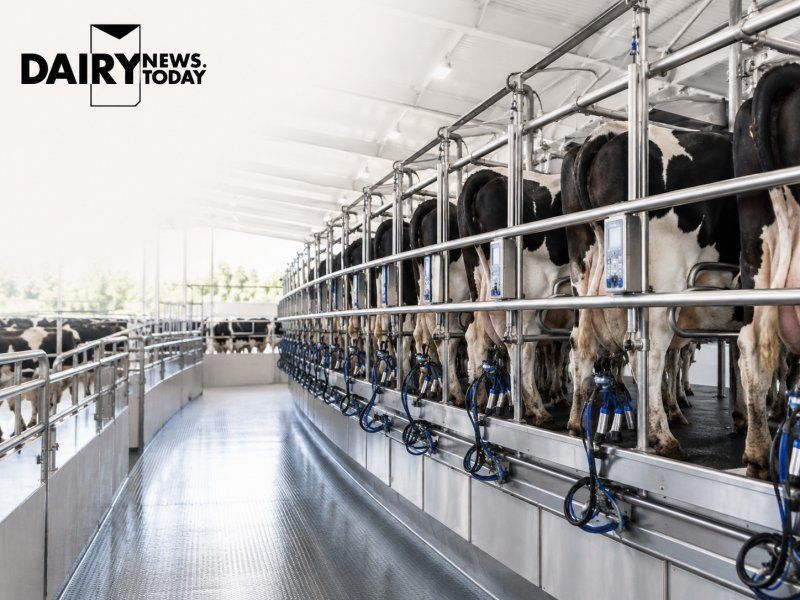
During the National Holstein Forum held in Querétaro, Esteban Posada, president of Holstein Mexico A.C., drew attention to a significant structural deficit in the country's milk supply. Currently, Mexico produces approximately 36 million liters of milk per day, which falls short of the nearly 60 million liters required to meet domestic demand. This shortfall necessitates regular imports to satisfy local consumption needs.
Despite being ranked among the top 12 global milk producers, with Coahuila, Durango, and Jalisco leading production followed by Guanajuato, Veracruz, and Querétaro, the industry faces challenges. Posada described the outlook for 2026 as challenging, citing the lack of public policy and federal incentives as obstacles to orderly sector growth. This situation is exacerbated by an international market characterized by an oversupply, which puts pressure on prices.
The dairy sector in Mexico also contends with significant seasonal variations in production due to climatic factors, leading to periods of overproduction and severe drops throughout the year. In regulatory matters, while there have been efforts to limit the use of the term 'milk' for plant-based drinks, Posada criticized the influx of imported cheeses over the past two to three years. These products, entering under the tariff classification of processed derivatives rather than fluid milk, avoid specific tariffs and displace local raw materials.
From a health perspective, Posada reassured that Holstein cattle have not been affected by the screwworm. He noted that outbreaks of this infestation are primarily seen in extensive pasture systems, whereas intensive dairy farm management has helped maintain the sanitary status of high-genetic-value animals.
The National Holstein Forum, ongoing at the Querétaro Centro de Congresos until July 29, is expected to gather about a thousand participants from across the dairy value chain. The organization emphasized the urgent need to develop a productive promotion plan to bridge the supply gap, warning that without incentives, the sector's growth will continue to lag behind the country's real population needs.