Mexican Livestock Accelerates Shift to Sustainable Meat and Dairy Production
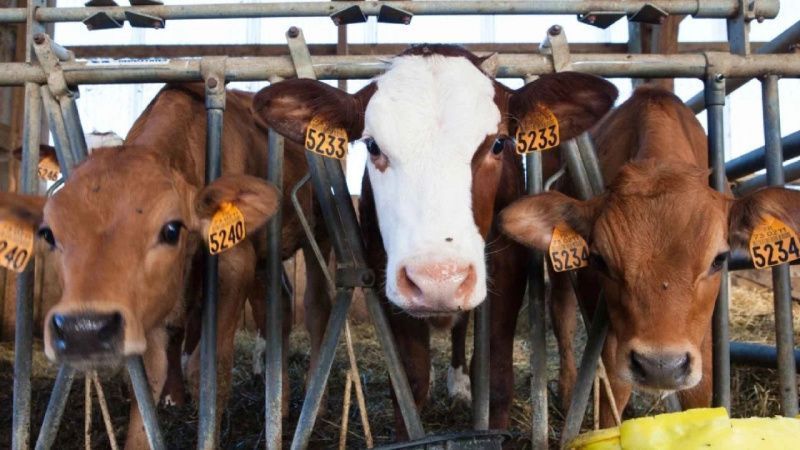
Livestock operations in Mexico’s main production basins are adopting management practices focused on sustainable meat and dairy production. These include planned rotational grazing, the integration of silvopastoral systems and the restoration of soil fertility through natural nutrient cycling.
Such systems are intended to increase the soil’s capacity to retain moisture, limit erosion and strengthen carbon capture in grasslands. The measures form part of environmental management approaches applied to cattle production.
At the technical and nutritional level, production units are working on water efficiency and on improving herd diets. Precision rations made with highly digestible inputs, together with specialised additives, are being used to reduce enteric methane emissions per litre of milk or kilogram of meat produced.
Water-capture systems and irrigation for forage production are also being modernised. The stated objective of these changes is to increase productivity for each cubic metre of water used. The measures are being applied alongside adjustments to feeding practices and pasture management.
The shift is taking place amid higher requirements from international markets and modern distribution channels. Retail chains and final consumers are seeking greater guarantees on product traceability, animal welfare and production systems free from deforestation.
Access to preferential finance and green-credit instruments from development banks is also linked to environmental performance. These financing arrangements prioritise livestock companies that have verifiable indicators showing reductions in their environmental footprint.