Meal-Replacement Drinks Can Replace Parts of the Diet
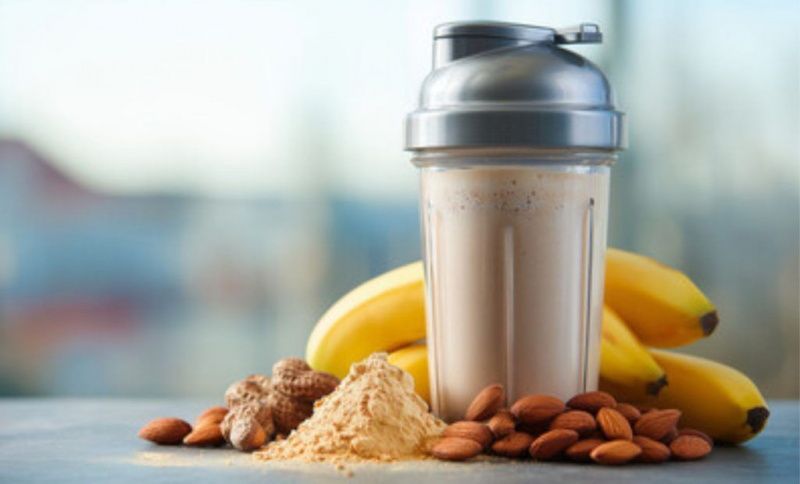
Products sold by brands including Huel and Yfood are promoted as convenient ways to obtain a broad range of nutrients. Their use has expanded alongside consumer interest in convenience, a trend identified across Europe even where eating habits otherwise differ. The drinks can replace a substantial part of a person’s diet, but nutrition professionals distinguish between occasional use, extensive substitution and a medically supervised formula diet.
Nichola Ludlam-Raine, a specialist nutritionist, says that a fully liquid diet is not inherently harmful. Nutrient absorption depends on the chemical form of the nutrients, how the product is prepared and what is consumed with it, rather than simply on whether food is solid or liquid. Solid food is not medically essential for everyone: people unable to swallow or digest it may remain nourished through an entirely liquid regimen.
That does not make every meal-replacement product suitable as a sole source of nutrition. Ludlam-Raine says the description “nutritionally complete” requires context, including the daily quantity being consumed and the person for whom it is intended. Energy intake is central: meeting vitamin and mineral targets does not compensate for insufficient calories. A prolonged and substantial energy deficit can be associated with fatigue, loss of muscle mass and slower recovery, while low energy availability can affect reproductive function and bone health in physically active people.
The effect on the gut can also vary. Ludlam-Raine says it depends more on the amount and type of fibre in a drink, and on the individual’s tolerance, than on its liquid form alone. Research on diets consisting exclusively of formulated products has reported changes in gut flora and bowel habits, with fibre additions influencing some of those effects. Changes in the microbiome do not necessarily indicate harm, she says. A drink may supply required nutrients while offering less of the range of fibres, plant compounds and food structures found in a varied diet.
Satiety is another consideration. Marieke Bokkes, a market analyst at Innova Market Insights, says about 31% of consumers regard a drink as a snack when it is sufficiently filling. She adds that drinks are increasingly being judged by whether they relieve hunger, rather than only by their refreshing qualities. Ludlam-Raine says meal-replacement drinks can be filling, particularly when they provide adequate energy, protein and fibre.
The experience of fullness involves several signals, including stomach expansion, nutrients reaching the intestine, gut hormones, texture and the speed of consumption. The physical structure of food can affect digestion and satiety, and chewing or the shape of food may influence appetite for some people. Some studies have found liquid meals less satisfying than comparable solid meals. Ludlam-Raine says it is nevertheless too simple to claim that drinks cannot relieve hunger or that volume alone determines satiety.
No maximum period has been established for replacing food with meal-replacement drinks, according to Ludlam-Raine. Medically indicated formula feeding can continue for extended periods when it is monitored. She does not recommend using a consumer shake exclusively and indefinitely without an individual dietary assessment. The drinks can provide convenience, nutrients and satiety, but their suitability depends on the product, the amount consumed and the consumer’s individual response.