McKenna Grace praises Oaxaca’s quesillo during visit to Mexico
Grace, whose screen credits include Ghostbusters: Afterlife and The Handmaid’s Tale, sampled the fresh, stretched-curd cheese associated with Oaxaca. The account described her response to its elastic strands and mild dairy flavour. Quesillo is used in Mexican dishes including tlayudas, quesadillas and memelas. The coverage linked the attention surrounding her visit to the wider international visibility of traditional Oaxacan cheesemaking.
The cheese’s characteristic strands develop during curd acidification and stretching. Controlled acidification partially dissolves calcium associated with casein micelles; immersion in hot water and manual stretching then align the proteins into fibres. The article identifies the hygienic and compositional quality of cow’s milk as central to this process. It also describes milking routines involving the removal of initial milk streams and antiseptic teat treatment before milking, intended to limit environmental mastitis and control somatic-cell counts.
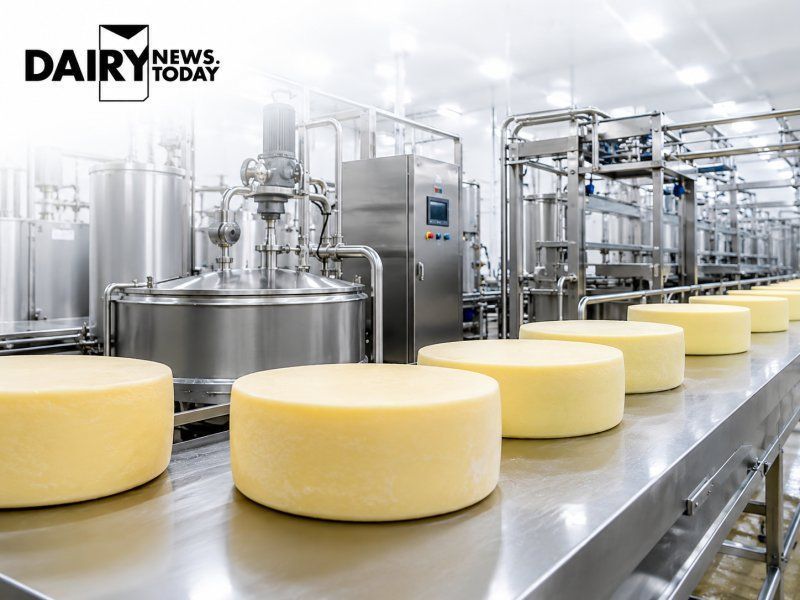
Temperature management is another part of the production process described in the report. After collection, raw milk is to be chilled promptly and maintained at 4°C to control acidity before processing. At certified cheesemaking facilities using hygienically treated milk, the account describes continuous pasteurisation above 72°C before enzymatic coagulation. These stages precede the curd treatment and hand-stretching that give quesillo its fibrous structure.
In Mexico’s grocery shops and supermarkets, quesillo made entirely from cow’s milk is sold alongside cheaper cheese substitutes. The article lists imported caseinates, dried whey, modified starches and hydrogenated palm fats among ingredients used in such products. It says some substitutes are marketed under the names Oaxaca cheese or quesillo despite lacking the genuine product’s natural elasticity and failing to meet applicable protein requirements. The report cites Mexican standards NOM-223-SCFI/SAGARPA-2018 and NOM-155-SCFI-2012 in its discussion of composition and product authenticity.
The account also places artisanal cheesemaking within the economics of Mexican dairy farming. It puts cattle feed at more than 70% of current operating costs for each litre of milk produced on commercial and family-run farms. Feed ingredients identified include maize silage, alfalfa hay and commercial protein concentrates. The article advocates closer commercial links between milk producers, artisanal cheesemakers and certified processors that reward suppliers for total milk solids and hygienic quality, presenting these arrangements as a way for farmers to benefit from the cheese’s gastronomic reputation.
On oversight, the article calls for support for traditional cheesemakers, improvements in dairy hygiene and action against vegetable-based substitutes sold as authentic quesillo. It names the Secretaría de Agricultura y Desarrollo Rural (SADER), IMPI, Senasica and Profeco in connection with those proposed priorities. Its recommendations include protecting geographical indications such as Quesillo de Reyes Etla, helping traditional dairies upgrade sanitary equipment and practices, and penalising manufacturers that misrepresent imitation products.