Manitoba Groups Oppose U.S. Mega Dairy Farms Over Pollution Concerns

Environmental organizations in Manitoba, including the Manitoba Eco-Network, are raising concerns about the environmental impact of two proposed mega dairy farms in North Dakota. The groups are worried that phosphorus and nitrogen runoff from these farms could exacerbate the pollution in Lake Winnipeg, leading to harmful blue-green algae blooms.
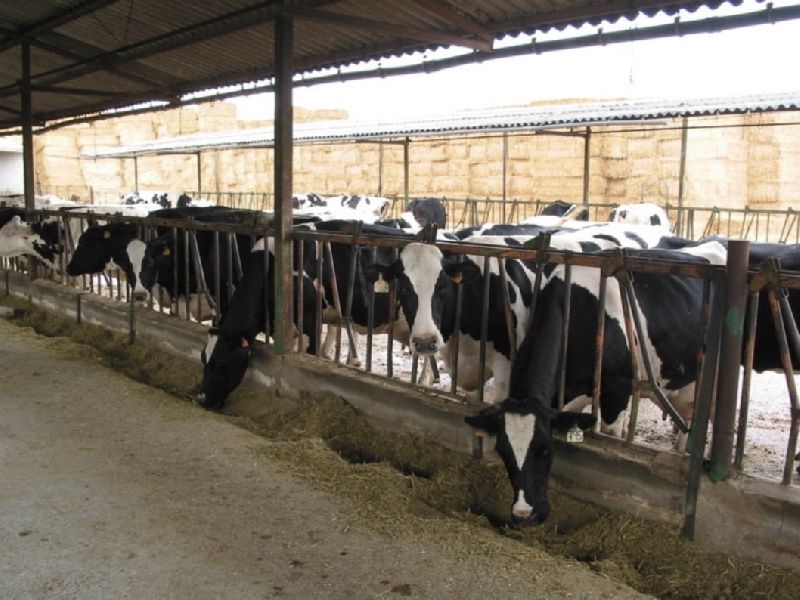
The proposed dairy farms, located in Hillsboro and Abercrombie, North Dakota, plan to house a combined total of 37,000 cows. Despite ongoing legal challenges in North Dakota's administrative court, the projects are progressing. James Beddome, executive director of Manitoba Eco-Network, emphasized the existing environmental pressures on Lake Winnipeg and the potential added stress from these farms.
Beddome noted that the environmental threat to the lake is not limited to the proposed farms. Other agricultural developments in Manitoba, along with wetland drainage and hydroelectric impacts, also contribute to the watershed's degradation. He highlighted the importance of expert engagement, mentioning collaborations with the University of Manitoba and experts in Hillsboro.
Allyza Tabirara, a graduate student at the University of Winnipeg, is conducting research focused on reducing phosphorus levels in the Lake Winnipeg Basin. Her study investigates the potential of drainage systems to store phosphorus and the implications for the lake's phosphorus levels. Tabirara expressed concern over the long-term health of the lake and the need for action to prevent its degradation for future generations.
In response to these concerns, Riverview LLP, the Minnesota-based company behind the dairy farm proposals, stated that their farms are designed to adhere to stringent environmental standards. The company assured that a comprehensive review by the North Dakota Department of Environmental Quality was conducted to ensure environmental protection during all stages of the farms' development.
The discourse surrounding these proposed farms highlights the ongoing challenges in balancing agricultural development with environmental preservation, particularly concerning transboundary water bodies like Lake Winnipeg.