Liquid separating from yoghurt contains calcium, potassium and milk proteins
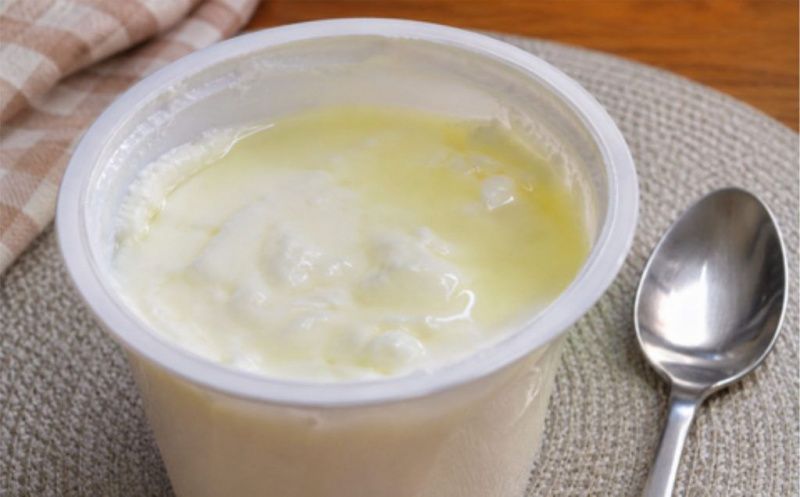
Yoghurt can release liquid held within its structure as that structure changes over time, a process known as syneresis. A review in the Journal of Food Science and Technology identifies milk composition, fermentation conditions, storage temperature and storage duration as factors influencing whey separation. Movement of containers during transport can also disturb the structure and encourage liquid to collect. The amount of whey visible can therefore vary between pots, including products still within their shelf life.
A 2021 review published in the Journal of Dairy Science examined acid whey from the manufacture of several dairy foods, including yoghurt. Its constituents include soluble milk proteins, calcium, potassium, phosphorus, lactose and lactic acid, alongside water, which makes up most of the liquid. Calcium helps maintain bones and teeth; potassium contributes to muscle function and the transmission of nerve impulses. Pouring away whey can remove a small share of the food’s nutrients. The amount depends on the volume discarded and the product’s composition, with a few drops representing only a minor nutritional loss.
Milk whey is a raw material from which proteins used in dietary supplements can be obtained. Research published in Foods in 2022 examined acid whey generated by traditional Greek-yoghurt production, which involves removing some of the liquid. Depending on manufacturing conditions, the whey studied contained between 0.17% and 0.66% protein and between 3.37% and 4.99% lactose. The researchers also identified calcium, phosphorus, magnesium, potassium and sodium in this manufacturing stream.
The University of Alaska Fairbanks extension service describes some whey separation as a natural part of yoghurt production and storage. Decisions about consumption should take account of the expiry date, storage instructions and the condition of the container. Mould, unusual changes in colour, an unpleasant smell or a swollen package are reasons to stop eating the product.
Appropriate refrigeration and the manufacturer’s specified consumption period after opening also matter. Incorrect storage can compromise safety even when the yoghurt looks normal. For yoghurt that remains suitable to eat, the separated liquid can be stirred into the creamy portion. Consumers who prefer a firmer texture can instead use the whey in preparations intended for immediate consumption, such as fruit smoothies or mixtures containing oats.
People with lactose intolerance need to account for the milk sugar present in whey. Some lactose leaves with the liquid when it is poured away, but conventional yoghurt retains lactose after draining. The 2022 measurements of protein and lactose relate specifically to whey produced during Greek-yoghurt manufacture; its composition varies with the production conditions.