Libby Rough Opened Four Campsites During Queensland Drought
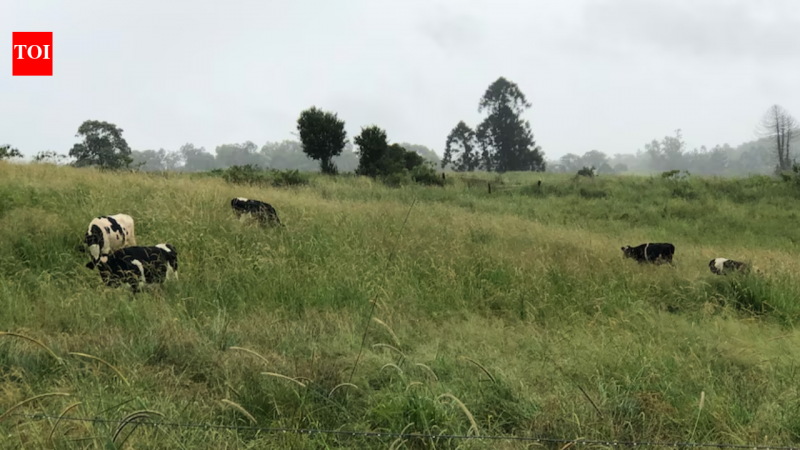
Libby Rough and her family operate a dairy farm near Kenilworth in the Sunshine Coast hinterland. During a severe drought, dry conditions limited pasture while the price of feed increased. The family sold 40 cows, reducing milk production and losing a substantial part of its regular farm income.
The reduction in income made ordinary costs, including groceries and school fees, harder to cover. Rough told the Australian Broadcasting Corporation that the family had gone several months without receiving a milk cheque when it joined Youcamp. The platform allowed private landowners to list camping opportunities for travellers, and was later acquired by the global outdoor accommodation company Hipcamp.
Instead of building permanent accommodation, the family established four simple campsites beside the river that runs through the property. The sites had no electricity and were intended for visitors able to use relatively basic facilities. This required less capital than a larger tourism development while the farm was under financial pressure.
Interest in outdoor travel increased in 2020 as Australians sought domestic trips and recreation. By January 2022, the four sites had brought in more than A$50,000. The family used the money to maintain farm machinery and infrastructure, buy cattle feed and meet household expenses. It also gave them greater flexibility to keep their remaining cattle and continue dairy production during difficult seasonal conditions.
The experience formed part of a wider Australian interest in agritourism. The Queensland Farmers’ Federation has identified farm tourism as a potential way for rural businesses to add income. Activities include farm stays, private camping and food-related experiences, with revenue that is separate from livestock or crop sales. Visitors may also spend money at nearby bakeries, butcher shops, petrol stations, cafés, restaurants and country pubs.
Planning rules have been an obstacle for some farmers seeking to establish small camping businesses. In some areas, operators have faced Development Application procedures, fees and compliance requirements even when they proposed only a few tents or caravans on large rural properties. In December 2021, Gympie Regional Council in Queensland voted to raise the number of caravans or tents that could be hosted on private rural land without formal Development Application approval. Supporters said that low-density, unpowered camping could have a limited environmental footprint when sanitation and waste were properly managed.
Farm tourism also gives visitors access to working agricultural settings. Guests can observe activities such as milking, cattle management and land care, providing a direct connection with farms that produce food. For the Rough family, the four riverside sites supplied additional income while the dairy operation faced drought-related financial strain.