Leche San Luis Shaped Potosí’s Dairy Industry Before Operations Ceased
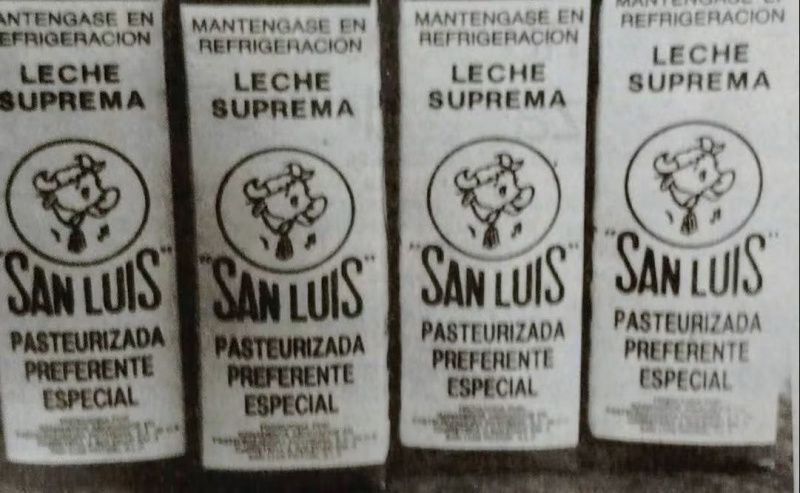
Pasteurizadora San Luis operated for decades as one of the most recognisable dairy businesses in the state of San Luis Potosí. The brand was part of the daily routine of thousands of households and was associated with the shift from consuming unprocessed milk to commercially pasteurised products subject to formal hygiene standards.
The company collected fluid milk each day directly from farms in the San Luis valley and nearby municipalities, including Soledad de Graciano Sánchez. Its supply was described as 100% cow’s milk, with a reputation for freshness, a high solids content and a visible layer of cream.
Distribution initially relied on returnable glass bottles delivered to homes by morning-route vendors. The company later adopted carton packaging, which provided longer preservation and improved hygiene at retail outlets. Its delivery system helped establish the brand’s presence across local households.
Pasteurizadora San Luis also provided a regular and formal purchasing channel for regional farmers. According to the account, that arrangement supported spending on cattle breeding, herd health and milking-room equipment. The business generated hundreds of direct and indirect jobs in milk-processing facilities and distribution logistics.
By the end of the 20th century, the company faced changes in the dairy market. National dairy groups expanded their geographical reach, while modern self-service stores increasingly replaced home delivery. The costs of updating equipment and buying feed inputs also reduced the company’s operating margins, and its operations eventually ceased.
Leche San Luis no longer sells commercially, but the brand remains part of the collective memory and productive identity of San Luis Potosí. Its history is described as an example of how processors supplied by their own dairy region connected rural producers with urban consumers. The account was published by El Universal San Luis.